

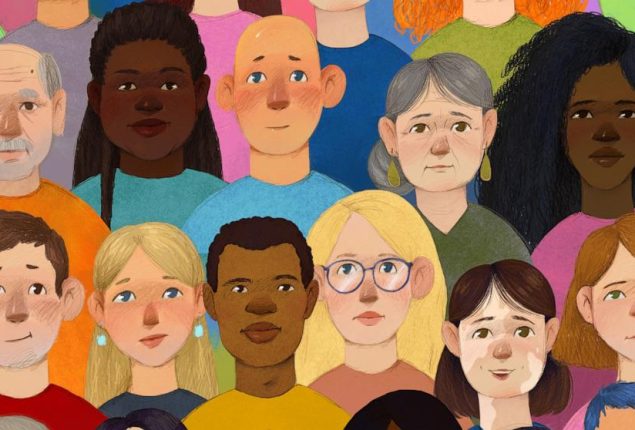
As the world steps into the mid-2020s, a new generation—Generation Beta—is just beginning to emerge, marking a fresh chapter in human evolution. From the stoicism of the Greatest Generation to the digital instincts of Generation Alpha, each cohort has not only reflected the times they were born into but also played a role in defining them.
Understanding these generational waves provides a crucial lens for analyzing how society has changed and where it may be heading.
The Greatest Generation (1901–1927): Forged by Hardship, Tempered by War
This generation came of age during the Great Depression and World War II. Nicknamed the GI Generation, they personified grit, resilience, and an unwavering dedication to hard work. While jazz and swing offered a cultural escape, the profound weight of global conflict shaped their stoic, family-first values. Their legacy is remembered not just in history books, but in the very foundation of modern society’s values of sacrifice and service.
Silent Generation (1928–1945): Quiet Strength in Tumultuous Times
Often characterized as conformists, this generation matured during McCarthyism and the Cold War, a period when speaking out could be dangerous. They earned their reputation for “keeping their heads down,” but beneath the silence was a solid work ethic and a strong sense of duty. They became the quiet backbone of the 20th-century workforce and helped usher in mid-century economic prosperity.
Baby Boomers (1946–1964): Rebels Turned Reformers
Born in the post-World War II boom, Baby Boomers grew up in a world of rapid change. While often stereotyped as “out of touch” today, they were once the revolutionaries of the 1960s—protesting war, challenging social norms, and defining the counterculture. As parents, Boomers introduced the concept of family meetings and encouraged emotional understanding, a significant departure from the authoritarian parenting they experienced.
Generation X (1965–1980): The Independent Middle Child
Positioned between the Boomers and Millennials, Gen X is often overlooked—but never underestimated. They came of age during the era of MTV, the AIDS crisis, and the dawn of personal computing. Labeled as the original “latchkey kids,” their independent spirit is a result of having working parents and a shifting cultural landscape. As adults, they were pioneers of helicopter parenting while also championing growing movements for LGBTQ+ rights and mental health awareness.
Millennials / Gen Y (1981–1996): Bridging Analog and Digital Worlds
This was the first generation to grow up with both dial-up internet and smartphones. Millennials remember a world before Wi-Fi and how it completely transformed everything. They navigated through 9/11, a global recession, and the explosive rise of social media. Often criticized as entitled, Millennials are in fact highly community-focused, environmentally conscious, and open-minded. As parents, they prioritize emotional intelligence and authenticity, encouraging their children to explore their identity without fear.
Generation Z (1997–2012): Born Connected, Living Consciously
The true digital natives, Gen Z has never known a world without smartphones, Wi-Fi, or social media. While critics worry about their screen time and social skills, Gen Z has proven to be politically aware, socially inclusive, and environmentally driven. Even as teenagers, they have mobilized for climate change, social justice, and mental health, demonstrating they are anything but passive.
Generation Alpha (2013–2024): The AI-First Kids
Generation Alpha is still in its formative years, but early signs indicate they are growing up with technology more deeply integrated into their lives than any generation before. Many were born during the COVID-19 pandemic, have AI in their classrooms, and are being raised in increasingly diverse, blended households. Their future will likely redefine how we view education, communication, and even humanity itself.
Generation Beta (2025–2039): The Future Begins
Just starting their journey, Generation Beta is poised to become the most tech-immersed cohort in history. AI will be second nature to them, digital connectivity a given, and environmental crises a defining part of their upbringing. While we can’t yet pinpoint their defining characteristics, early predictions suggest a generation that will value adaptability, inclusivity, and perhaps a redefinition of what it means to be human in a hyperconnected world.
What Does This All Mean?
Each generation is more than just a birth range—they are a cultural moment, shaped by wars, technology, economics, and social movements. As we look toward the future, understanding the past may be the key to navigating it. Because while the tools may change—from typewriters to tablets, rotary phones to neural networks—the human story continues, generation by generation.
