

Article:
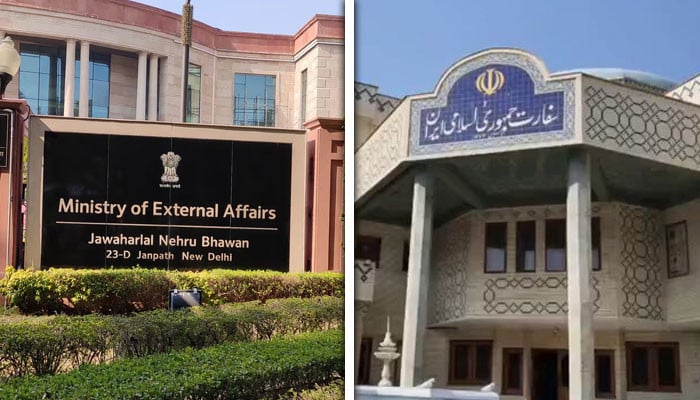
In a dramatic escalation of tensions, the Indian government has summoned the Iranian envoy in New Delhi in response to a series of oil tanker attacks in the Strait of Hormuz. According to Arab media reports, the Iranian envoy was handed a note of protest over the attacks on Indian oil tankers and commercial ships. The Iranian naval forces allegedly fired at the oil tankers to prevent them from passing through the strait, which carried 20 million barrels of Iraqi oil.
The Iranian Revolutionary Guard Corps (IRGC) has reportedly blocked two Indian oil tankers from passing through the strait. The attacks have been widely condemned by the international community, with several countries calling for restraint and dialogue to resolve the issue.
In a shocking move, Iranian Supreme Leader Ayatollah Ali Khamenei has warned that the Iranian Navy is fully prepared to inflict a “crushing defeat” on its enemies. The statement comes as the United States is weighing its options for a response to the attacks.
Meanwhile, the United Nations Security Council has failed to take decisive action to prevent the conflict from escalating. The US has called for a UN resolution to condemn the Iranian attacks, but China and Russia have blocked the move.
In a separate development, the Iranian government has partially reopened its airspace and airports, allowing some international flights to operate. However, the move has been met with skepticism by the international community, which remains concerned about the safety of air travel in the region.
The crisis has also sparked a debate about the role of the US in the conflict. Former US President Donald Trump has warned that the US will not extend the current ceasefire period, which expires on Monday. If Iran fails to respond to US proposals, the US has threatened to resume military action.
In a rare display of unity, several countries, including the UK, France, and Russia, have called for restraint and dialogue to resolve the conflict. However, the US remains committed to its hardline stance, which has sparked concerns about the potential for a wider conflict in the region.
As the situation continues to unfold, the international community remains on high alert, waiting to see how the conflict will be resolved. One thing is clear, however: the crisis in the Strait of Hormuz has brought the world to the brink of a major conflict, with far-reaching consequences for global trade and security.
