

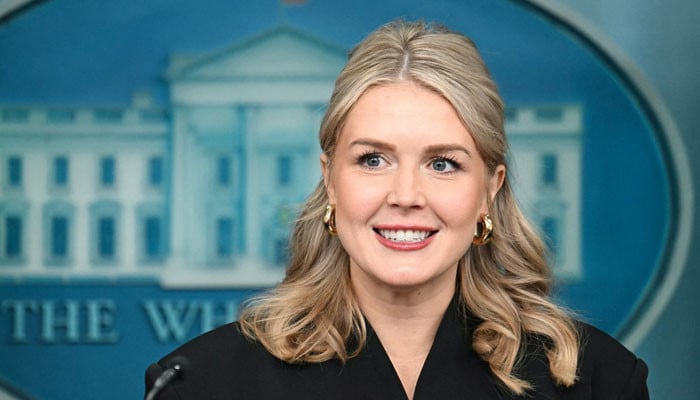
Pakistan has emerged as a key mediator in the ongoing negotiations between the United States and Iran, with the White House acknowledging the country’s efforts to facilitate a peaceful resolution to the conflict. The US and Iran have expressed gratitude for Pakistan’s sincere attempts to bring the two nations to the negotiating table.
According to a statement made by White House spokesperson Caroline Leavitt, the US and Iran are committed to a framework for peace, with Pakistan playing a crucial role in facilitating the talks. Leavitt reiterated that the US respects Pakistan’s efforts to promote dialogue and cooperation between the two nations.
The diplomatic efforts have gained momentum, with Pakistan’s Foreign Minister Shah Mahmood Qureshi set to visit Iran’s capital, Tehran, in the coming days. The visit is aimed at strengthening bilateral ties and promoting regional peace.
The US has also acknowledged Pakistan’s efforts to reduce tensions in the region. In a recent statement, US President Donald Trump praised Pakistan’s leadership for its positive role in reducing tensions in the region.
Meanwhile, Iran’s President Hassan Rouhani has accused the US and its allies of being hypocritical and using the term “terrorist” to describe his country. He emphasized that Iran is committed to its sovereignty and territorial integrity, and does not seek to dominate the region.
As the situation continues to unfold, the international community is holding its breath, waiting to see how the diplomatic efforts will play out. One thing is certain, however: Pakistan’s role as a key mediator in the US-Iran conflict has put the country at the center of regional politics.
In related news, Pakistan’s Prime Minister Shaukat Aziz is set to embark on a series of diplomatic visits to Saudi Arabia, Qatar, and Turkey. The visits are aimed at strengthening bilateral ties and promoting regional cooperation.
The situation in Lebanon remains tense, with Israeli airstrikes continuing to target civilian areas. The international community has condemned the attacks, with the US and other nations calling for a ceasefire.
As the world watches the unfolding drama, one thing is clear: the situation in the Middle East is complex and multifaceted, with many players and interests at stake. Pakistan’s role as a key mediator will be crucial in shaping the future of regional politics.
The Iranian government has announced that it will not provide military aid to any group or country, as demanded by the US. The statement comes as the US has imposed sanctions on several Iranian officials and entities, accusing them of supporting terrorism.
The crisis in Lebanon continues to escalate, with Israeli airstrikes targeting civilian areas. The international community has condemned the attacks, with the US and other nations calling for a ceasefire.
As the situation continues to unfold, the international community is holding its breath, waiting to see how the crisis will be resolved.
In a separate development, a single mother in China has gained international attention for her remarkable story of struggle and resilience. The mother, who has been working on construction sites for 16 years, has been raising her children on her own and has become an inspiration to millions around the world.
The international community is also watching the situation in Cameroon, where the Catholic Church has spoken out against the persecution of Christians. The Pope has condemned the violence and called for an end to the conflict.
As the world grapples with the complex issues of the Middle East, one thing is clear: the situation is fragile and requires careful handling. Pakistan’s role as a key mediator will be crucial in shaping the future of regional politics.
