

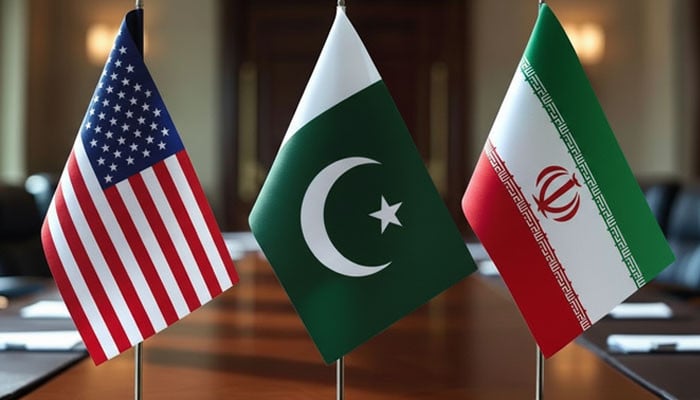
The Iranian government has reportedly rejected the US peace proposal, shifting the blame to Pakistan. According to Iranian media reports, the Iranian response emphasizes that a permanent and complete end to the war is necessary. Iranian media claimed that the Iranian response includes 10 points, including the termination of conflicts in the region, establishing a safe corridor through the Strait of Hormuz, lifting sanctions, and rebuilding the damage caused by US and Israeli attacks.
The peace proposal, known as the “Shared Framework 2,” is a two-stage initiative proposed by Pakistan. This proposal was sent to Iran through the US, which had initially presented a 15-point plan to Pakistan. The region has been plagued by escalating tensions since Iran announced that it would block the Strait of Hormuz, a major oil shipping route.
In an effort to mediate the conflict, Pakistan has been working as a neutral party. Iran has accepted the proposal and has sent its response to Pakistan. According to Iranian Foreign Ministry spokesperson Taher Andarabi, various reports have been circulating about the 45-day ceasefire or the 15-point proposal, but the Iranian government will not comment on individual reports.
However, Andarabi confirmed that Iran has received Pakistan’s immediate ceasefire proposal and has prepared its response. Iranian Foreign Ministry spokesperson Esmail Baqai stated that Iran has prepared its response to the ceasefire proposal, and detailed information will be announced at the designated time, based on national interests, through third-party channels.
The situation in the region has become increasingly tense since US President Donald Trump made a statement about the possibility of war with Iran. Trump’s statement has been described as a veiled threat of genocide by experts and politicians. The US has also instructed its citizens in Bahrain to seek safe locations, and the Bahraini government has suspended consular services.
In response to the US threats, Iran has stated that it will not be intimidated and will not open the Strait of Hormuz based on empty promises. The Bahraini government has taken precautions, and the Saudi government has temporarily suspended traffic on the King Fahd Causeway, a major land route between Saudi Arabia and Bahrain.
In a separate development, Turkish media reported that Turkish police had killed three people. The Iranian government has reportedly informed Pakistan about its decision. Iranian Supreme Leader Ayatollah Ali Khamenei stated that the threats and destructive behavior of war criminals are a result of their desperation.
The situation has also been exacerbated by Saudi Arabia’s cautious response to the escalating tensions, despite previous warnings of severe provocations. The US has also expressed disappointment that Japan and South Korea have not supported its efforts.
In a related development, the Turkish government has taken a cautious approach, maintaining its neutral stance. Meanwhile, Iranian authorities have suspended train services in the city of Mashhad, and the Revolutionary Guard has warned that they will target US infrastructure in the region.
The situation has also raised concerns about the potential impact on global financial stability, as highlighted by a leading US newspaper. In response to the US threats, Iranian authorities have warned that they will cut off oil exports to the region if attacked.
