Houston–Karachi Delegation Meets Sindh Governor, Expanding Diaspora Ties
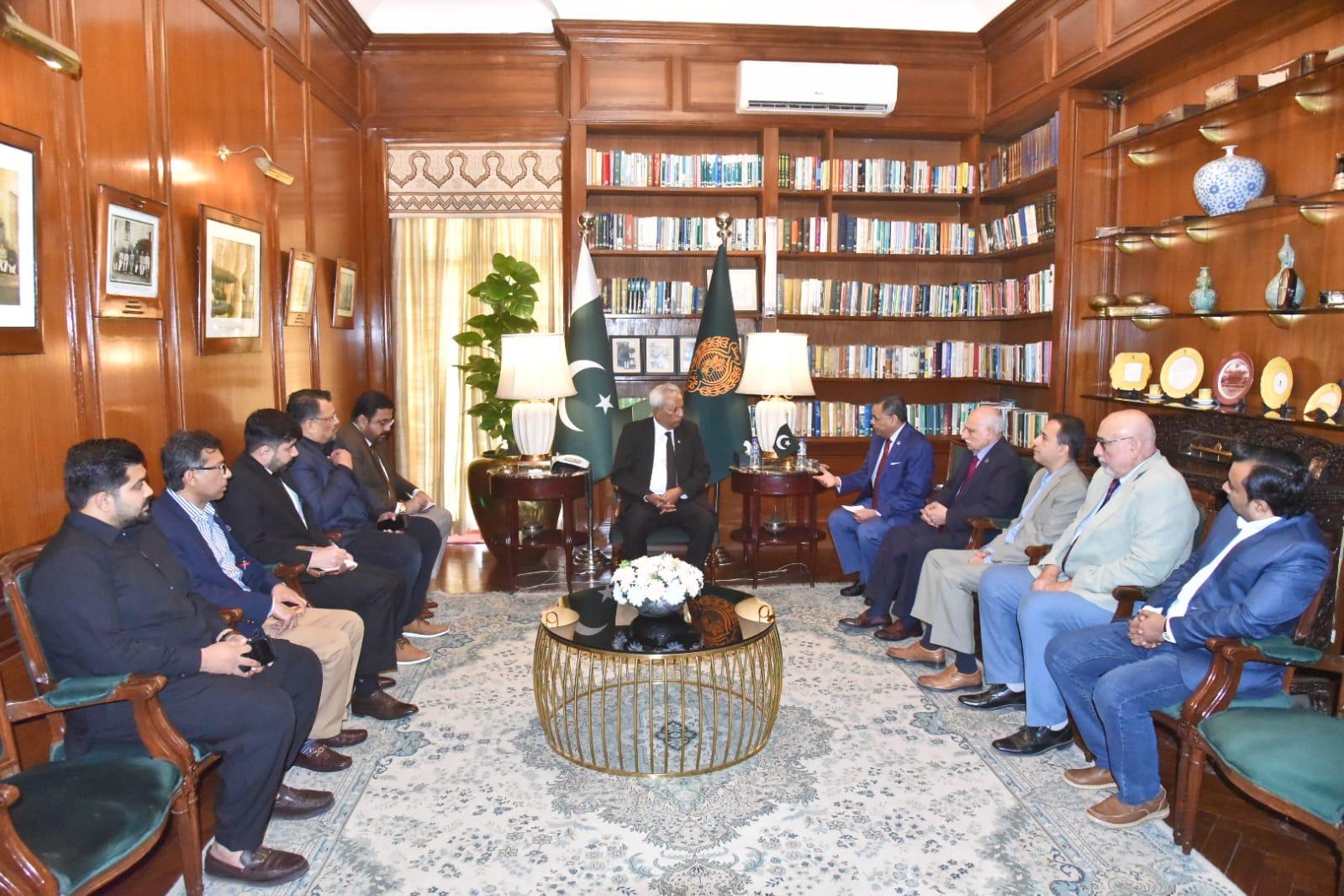
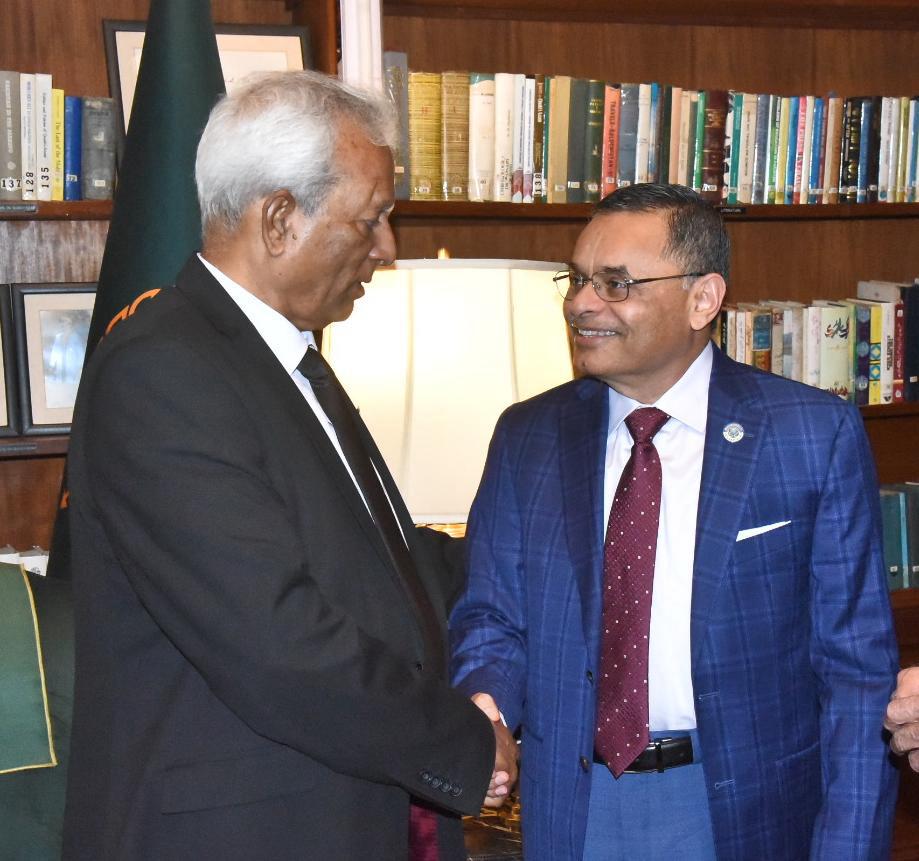
KARACHI, Pakistan: A delegation from the Houston–Karachi Sister City Association met with the Governor of Sindh at the Governor House in Karachi, signaling a renewed push to deepen institutional and humanitarian ties between the two cities.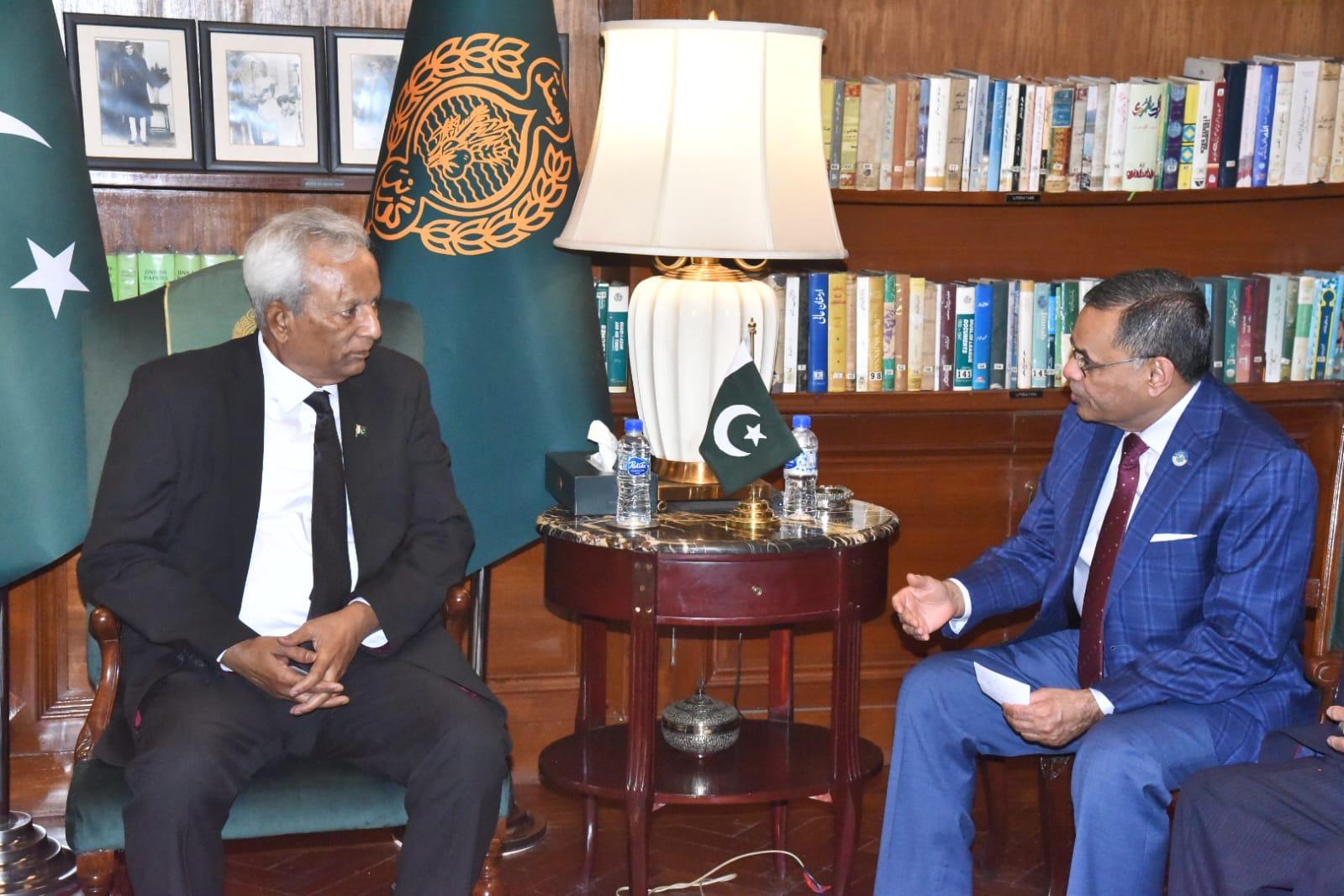
The delegation, led by its president, Muhammad Saeed Sheikh, included community and business leaders Majyd Aziz, Kashif Ghayas, Jalal Uddin and Yasir Qazi. Discussions focused on expanding cooperation across education, healthcare, humanitarian services, information technology and trade, areas that have increasingly defined diaspora-driven engagement between the United States and Pakistan.
Mr. Sheikh highlighted the association’s ongoing relief and development efforts in Pakistan, particularly its response to the 2025 floods. He pointed to coordinated initiatives undertaken with partner organizations, including Helping Hands for Relief and Development, as well as collaborations involving HHRD, AFDR, PAGH and APPNA-STC, which have contributed to both emergency response and long-term recovery.
He also outlined a range of continuing projects, from humanitarian assistance to youth-focused initiatives such as cricket training programs, emphasizing their role in building community resilience and cross-cultural exchange.
The Governor of Sindh welcomed the delegation’s efforts, praising the association’s contributions in education, humanitarian aid and youth development. He underscored the broader importance of sister-city relationships in strengthening people-to-people connections and fostering sustainable cooperation, and assured full support for current and future initiatives led by the association.
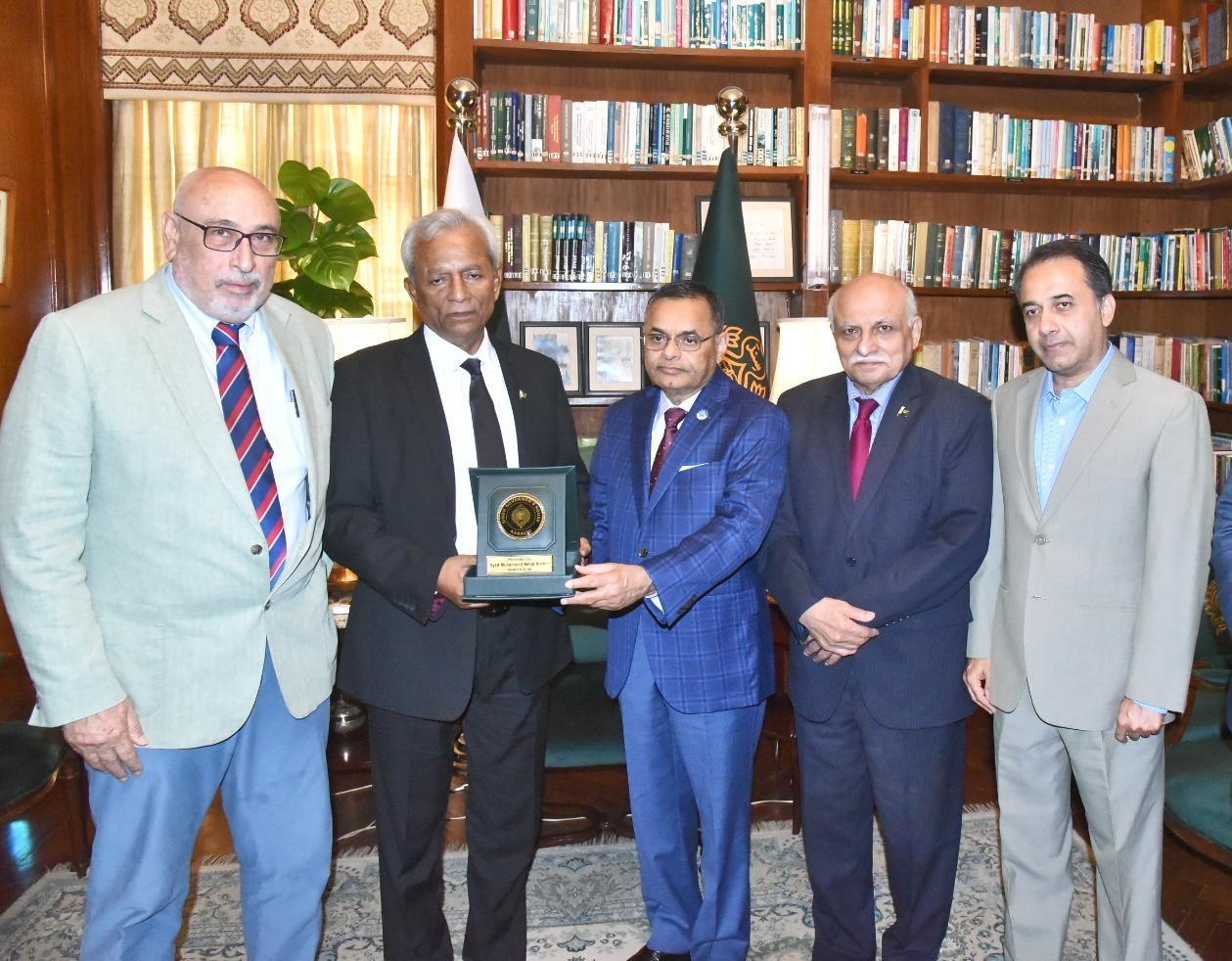
In a ceremonial exchange, Mr. Sheikh presented the Seal of the City of Houston to the governor on behalf of Houston’s mayor. The governor, in turn, presented a commemorative memento to the visiting delegation, marking the occasion as a gesture of goodwill between the two cities.
The meeting reflected the growing role of diaspora institutions in shaping transnational partnerships, particularly at a time when civic, economic and humanitarian collaboration increasingly extends beyond formal diplomatic channels.