

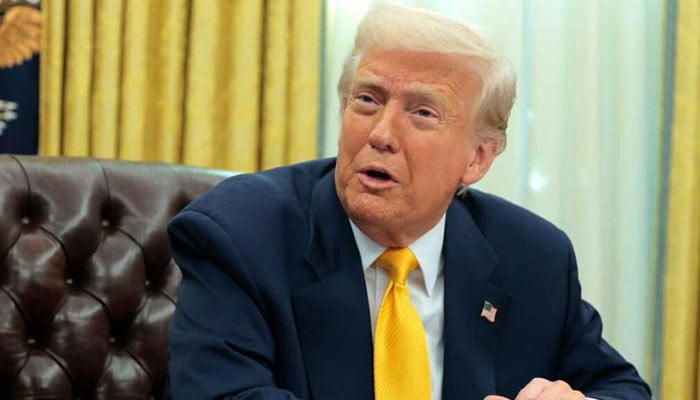
US President Donald Trump has postponed his visit to China, citing escalating tensions in the Middle East. In a surprise move, the US President announced that he will not be visiting China as scheduled, from March 31 to April 2. The move comes as the US and its allies continue to escalate their military operations against Iran.
In a press conference at the White House, Trump said that the US will not be providing any further advance warnings to its allies about potential military operations. “We don’t want to give a signal to our enemies, we want to take a bold and sudden action,” Trump said.
The US has been working closely with its allies to build a coalition to take on Iran, and the visit to China was seen as an opportunity for the US to secure support from the Chinese government. However, with tensions escalating in the region, the US has decided to postpone the visit.
The US has been engaged in a military campaign against Iran for several weeks, following the killing of top Iranian military commander Qasem Soleimani. The US has been bombing Iranian targets, and Iran has responded with its own missile attacks.
The situation in the Middle East remains volatile, with the US and its allies continuing to escalate their military operations against Iran. The US has also imposed sanctions on Iran, and the Iranian government has responded by cutting off its oil exports to the US.
Meanwhile, the global oil market is experiencing a severe shortage, with prices rising sharply. The US has accused Iran of attacking oil tankers in the Strait of Hormuz, a critical waterway for global oil trade.
The situation in the Middle East is complex, with multiple countries involved in the conflict. The US, Saudi Arabia, and other Gulf countries are supporting the UAE, while Iran is receiving support from Russia and China.
In the midst of the chaos, Pakistan has emerged as a key player in the region, with the country’s military leaders saying that Pakistan is in a strong position to broker peace talks between the US and Iran. However, experts say that the situation is too complex for Pakistan to play a key role in brokering a peace deal.
The international community is watching the situation in the Middle East closely, with many countries calling for a peaceful resolution to the conflict. The US and its allies have imposed sanctions on Iran, and the Iranian government has responded by cutting off its oil exports to the US.
The situation in the Middle East is likely to remain volatile for several weeks, with the US and its allies continuing to escalate their military operations against Iran. The global oil market is experiencing a severe shortage, and the situation is likely to impact global trade and economies.
In related news, the US has sold a advanced defense system to the UAE, worth $4.5 billion. The system includes a long-range radar and other advanced technologies. The sale is seen as a key part of the US strategy to counter Iranian military capabilities.
The US has also accused Iran of attacking a power plant in Israel, with the Iranian government denying the allegations. The situation in the Middle East is complex, with multiple countries involved in the conflict. The US, Saudi Arabia, and other Gulf countries are supporting the UAE, while Iran is receiving support from Russia and China.
The international community is watching the situation in the Middle East closely, with many countries calling for a peaceful resolution to the conflict. The US and its allies have imposed sanctions on Iran, and the Iranian government has responded by cutting off its oil exports to the US.
In the midst of the chaos, Pakistan has emerged as a key player in the region, with the country’s military leaders saying that Pakistan is in a strong position to broker peace talks between the US and Iran. However, experts say that the situation is too complex for Pakistan to play a key role in brokering a peace deal.
The situation in the Middle East is likely to remain volatile for several weeks, with the US and its allies continuing to escalate their military operations against Iran. The global oil market is experiencing a severe shortage, and the situation is likely to impact global trade and economies.
In related news, the US has announced that it will not be providing any further advance warnings to its allies about potential military operations. “We don’t want to give a signal to our enemies, we want to take a bold and sudden action,” Trump said.
The US has been working closely with its allies to build a
