

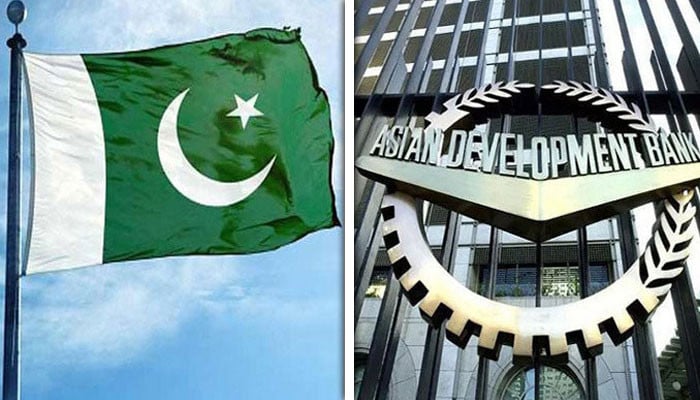
Pakistan has taken a significant step towards strengthening its economy despite facing external economic pressures. The Asian Development Bank (ADB) has launched a new Country Partnership Strategy for Pakistan, focusing on promoting economic growth, stability, and resilience over the next five years (2026-2030). The strategy aims to enhance private sector development, improve business environment, and increase economic resilience.
ADB’s announcement highlights three key areas of focus: private sector development, public-private partnerships, and economic resilience. The strategy emphasizes the importance of good governance, digital transformation, and gender equality. Pakistan will implement various measures to promote economic reforms and investment, including improving public financial management, enhancing business environment, and promoting private sector development.
Country Director Emma Fenn stated that the new strategy is designed to address Pakistan’s structural issues and promote sustainable economic growth, creating new employment opportunities and increasing economic stability. Despite facing significant challenges, Pakistan has managed to stabilize its economy to some extent and has initiated important reforms.
The new strategy highlights the importance of export-led growth, investment, and private sector development. ADB will focus on improving public financial management, enhancing business environment, and promoting private sector development. The strategy also emphasizes the need for policy reforms, financial assistance, technical support, and research collaboration to address new challenges.
The Asian Development Bank has provided Pakistan with over $58.6 billion in financial assistance and loans since its founding in 1966. The global market has seen a significant increase in gold prices, with the price per ounce reaching $4,767. However, the price of crude oil has surged due to tensions in the Middle East, raising concerns about a new wave of inflation worldwide.
Pakistan’s currency market has seen an increase in gold prices, reaching a record high. The State Bank of Pakistan has released data on foreign investment, with the country’s current account surplus at $427 million by the end of February. The country is facing a shortage of petroleum products, with the closure of oil shipments from Qatar.
The global market has seen a significant decrease in the price of gold, with the price per ounce reaching $5,000. The Secretary of Petroleum stated that the shortage of petroleum products is due to the tensions in the Middle East. The US and Iran are close to a deal, with the US seeking to isolate Iran.
The international community is closely watching the situation, with many countries calling for calm and restraint. The Pakistani government has taken steps to mitigate the impact of the crisis, including delaying two oil shipments from Qatar. The country is facing a significant challenge in maintaining economic stability, but the new Country Partnership Strategy with the ADB provides a roadmap for sustainable economic growth.
