

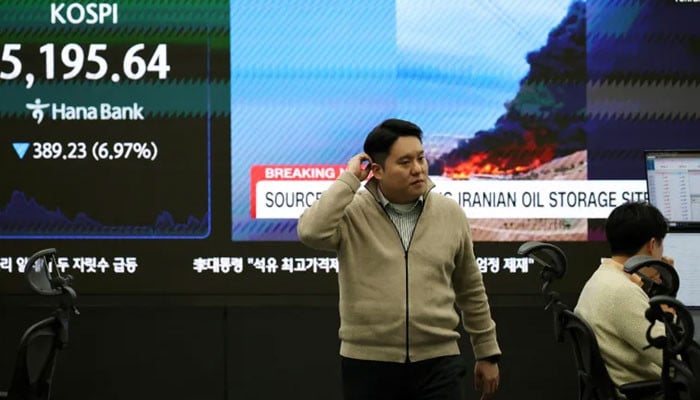
The ongoing conflict between the US, Israel, and Iran has sent shockwaves across the globe, causing oil prices to skyrocket and threatening the stability of the world economy. The crisis has sparked widespread concerns about the impact of the conflict on global trade, economic growth, and inflation.
According to a report by Al Jazeera, the price of Brent crude oil has surged from $72 per barrel to $106 per barrel, a 40% increase, while the price of natural gas has risen by nearly 60%. The conflict has disrupted oil supplies, with approximately 20% of the world’s oil passing through the Strait of Hormuz, exacerbating the situation.
The crisis has resulted in a significant increase in oil prices, with at least 85 countries experiencing a rise in petroleum prices. Governments in several countries have implemented emergency measures to conserve fuel, including a four-day workweek, reduced office hours, and rationing of petrol. These measures are expected to slow down economic activity.
The global stock market has also been affected, with an average decline of 5.5% since the start of the conflict. Asian markets have been the hardest hit, while the US has remained relatively stable. Russia’s market has seen an increase, as it is a major oil exporter.
Experts warn that if the conflict is not resolved soon, the global economy could face a severe crisis, with high inflation and stagnant growth. The crisis could also lead to a decline in economic growth in Europe, with a potential 0.5% decline in GDP, while China’s economic growth could slow down to 3%. The US, on the other hand, is expected to perform relatively better.
The crisis has also had a significant impact on air travel, with Dubai International Airport and Al Maktoum Airport suspending international flights due to high fuel prices. Several airlines have been forced to reroute flights, resulting in increased costs.
In a statement, President Donald Trump criticized countries that rely on the Strait of Hormuz for oil and trade, stating that some of the US’s allies have not taken sufficient action. The Israeli Prime Minister described the new Iranian ballistic missile as a significant challenge.
The Iranian government has confirmed that a person has been executed for espionage, while the Russian government has condemned the attack and expressed its condolences to the Iranian government.
The United Nations Fact-Finding Mission has stated that the investigation is in its initial stages, while Pakistani Prime Minister Imran Khan has condemned the use of drones by the Taliban, which he claims were supplied by India.
In related news, a Pakistani social media user has announced the birth of his third child, a daughter named Amira Maya, on Instagram. The Israeli Prime Minister has described the new Iranian ballistic missile as a significant challenge, while the Russian government has condemned the attack and expressed its condolences to the Iranian government.
The crisis has resulted in a significant increase in oil prices, with at least 85 countries experiencing a rise in petroleum prices. Governments in several countries have implemented emergency measures to conserve fuel, including a four-day workweek, reduced office hours, and rationing of petrol. These measures are expected to slow down economic activity.
The global stock market has also been affected, with an average decline of 5.5% since the start of the conflict. Asian markets have been the hardest hit, while the US has remained relatively stable. Russia’s market has seen an increase, as it is a major oil exporter.
Experts warn that if the conflict is not resolved soon, the global economy could face a severe crisis, with high inflation and stagnant growth. The crisis could also lead to a decline in economic growth in Europe, with a potential 0.5% decline in GDP, while China’s economic growth could slow down to 3%. The US, on the other hand, is expected to perform relatively better.
In conclusion, the Middle East crisis has sent shockwaves across the globe, causing oil prices to surge and threatening the stability of the world economy. The crisis has resulted in a significant increase in oil prices, with at least 85 countries experiencing a rise in petroleum prices. Governments in several countries have implemented emergency measures to conserve fuel, while the global stock market has been affected, with an average decline of 5.5% since the start of the conflict. Experts warn that if the conflict is not resolved soon, the global economy could face a severe crisis, with high inflation
