

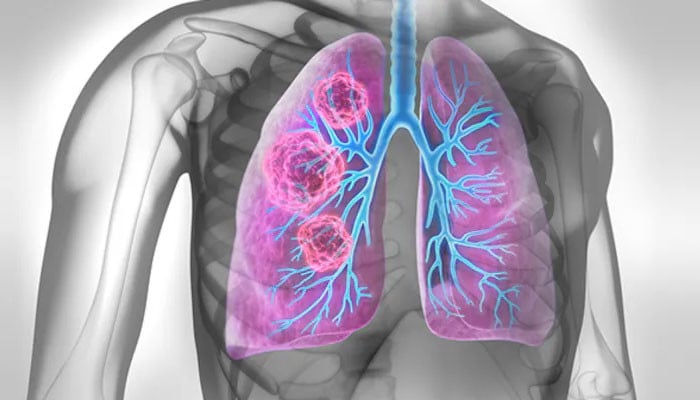
Lung cancer, one of the leading causes of cancer-related deaths worldwide, may be linked to severe coronavirus infections, according to a new study published in the journal “Cell.” Researchers at the University of Virginia Health System found that severe viral infections, including influenza, can lead to long-term changes in the lungs that increase the risk of cancer.
The study, which used data from mice and humans, showed that severe infections can weaken the immune system, leading to chronic inflammation in the lungs. This chronic inflammation can create a favorable environment for cancer cells to grow and multiply.
“We found that severe coronavirus infections can lead to long-term changes in the lungs that increase the risk of cancer,” said Dr. Jay Sun, a researcher at the University of Virginia School of Medicine. “This is a concerning finding, especially given the high prevalence of severe infections, particularly in older adults.”
The study’s findings suggest that individuals who have had severe coronavirus infections may be at a higher risk of developing lung cancer. The researchers recommend that these individuals undergo regular medical check-ups to detect any early signs of cancer.
The study also highlights the importance of vaccination in reducing the risk of severe infections and subsequent cancer development. Vaccines can help reduce the severity of viral infections, which in turn can reduce the risk of chronic inflammation and cancer.
In addition to the study’s findings on lung cancer, researchers have also identified other potential health risks associated with severe infections. For example, a recent study found that individuals who have had severe infections may be at a higher risk of developing heart disease and stroke.
Overall, the study’s findings emphasize the importance of taking preventative measures to reduce the risk of severe infections and subsequent health complications.
In other news, researchers have identified a new way to detect early signs of dementia in women. A team of scientists at the University of California, Los Angeles (UCLA) has developed a blood test that can predict the risk of dementia 25 years before symptoms appear.
The test, which analyzes a protein called tau, can detect early signs of dementia in women, even before they show any symptoms. The researchers hope that this test will help identify individuals at risk of dementia and enable early intervention.
In related news, a new study has found that a short walk after meals can have a significant impact on overall health. Researchers at the University of Leicester found that taking a 10-minute walk after meals can lower blood pressure and improve insulin sensitivity, reducing the risk of heart disease and type 2 diabetes.
The study’s findings suggest that even small changes to daily habits can have a significant impact on overall health. The researchers recommend that individuals incorporate short walks into their daily routine, especially after meals.
In other health news, a new study has found that drinking plenty of water can have a significant impact on overall health. Researchers at the University of California, San Francisco found that drinking enough water can improve cognitive function, reduce the risk of kidney stones, and even help with weight loss.
The study’s findings suggest that individuals should aim to drink at least eight glasses of water per day to reap the benefits. The researchers also recommend that individuals consume water-rich foods, such as fruits and vegetables, to stay hydrated.
In related news, a new study has found that a natural remedy called ghee may have health benefits. Ghee, which is made from cow’s milk, has been used in traditional medicine for centuries to treat a range of health conditions.
The study, which was conducted at the University of California, Los Angeles (UCLA), found that ghee may have anti-inflammatory properties, which can help reduce the risk of chronic diseases, such as heart disease and diabetes.
In other news, a new study has found that a type of bacteria called Lactobacillus acidophilus may have health benefits. The study, which was conducted at the University of California, San Francisco, found that this type of bacteria can help reduce inflammation and improve immune function.
The researchers recommend that individuals consume foods that contain Lactobacillus acidophilus, such as yogurt and kefir, to reap the benefits.
In related news, a new study has found that a type of mushroom called reishi may have health benefits. The study, which was conducted at the University of California, Los Angeles (UCLA), found that reishi mushrooms may have anti-inflammatory properties, which can help reduce the risk of chronic diseases, such as heart disease and diabetes.
The researchers
