

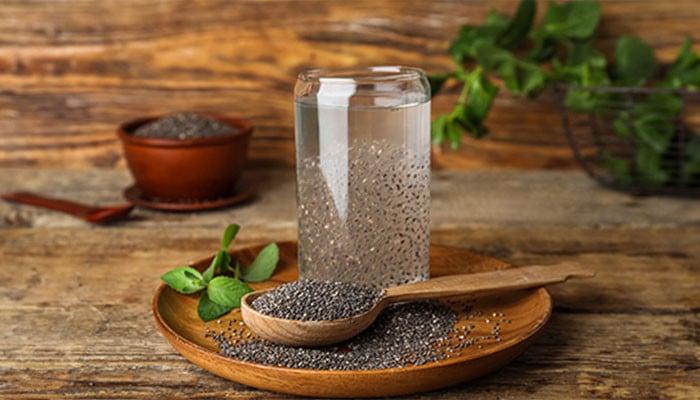
Chia seeds, also known as dadi ki choti, have been hailed as a superfood due to their high content of omega-3 fatty acids, fiber, protein, vitamins, and minerals. These tiny seeds have been found to improve digestion, reduce inflammation, and help maintain weight, making them a popular addition to health-conscious individuals’ diets.
However, not everyone can benefit from chia seeds. A recent report warns five specific individuals who should exercise caution or avoid them altogether. These individuals include those with difficulty swallowing or a narrowed digestive tract.
In recent years, collagen supplements have gained popularity, touted as a solution for healthy skin, strong hair, and robust joints. However, experts caution that those with difficulty swallowing or a narrowed digestive tract should use them with caution.
Chia seeds expand significantly when soaked in water, which can pose a problem for some individuals. They can become stuck in the digestive tract, leading to discomfort and potential health issues. To avoid this, it’s essential to soak chia seeds in water, yogurt, or a smoothie before consuming them.
Chia seeds are also high in fiber, which can be beneficial for most people but may cause issues for those with certain health conditions. For instance, individuals with IBS (irritable bowel syndrome) may experience bloating, gas, and discomfort after consuming chia seeds.
Another concern is that chia seeds contain omega-3 fatty acids, which can thin the blood. Therefore, individuals with bleeding disorders or those taking blood-thinning medications should consult their doctor before consuming chia seeds.
In addition, chia seeds may exacerbate digestive issues in individuals with gastroparesis or other motility disorders. The gel-like fiber in chia seeds can make digestion even more challenging.
On the other hand, lochia, a liquid discharge after childbirth, is considered beneficial for health and is mentioned in Ayurveda as a drink that cools the body, improves digestion, prevents lochia, and provides hydration. However, women who are allergic to seeds may also be allergic to chia seeds.
Experts recommend that most people can safely consume chia seeds, but it’s essential to use them in moderation and in the right way. Start with a small amount, such as a tablespoon, and gradually increase the intake to 2 tablespoons. It’s also essential to soak chia seeds in water, yogurt, or a smoothie before consuming them.
In conclusion, while chia seeds are a nutritious superfood, it’s crucial to exercise caution and consult a doctor before adding them to your diet, especially if you have any underlying health conditions.
