

A recent report by the Inter American Press Association (IAPA) has revealed a significant decline in press freedom in the Americas, with the United States witnessing the most substantial decline. The report, which is part of the IAPA’s Press Freedom Index, highlights 2024 as the worst year for journalists in the region, marked by an increase in cases of murder, harassment, exile, and immunity from prosecution.
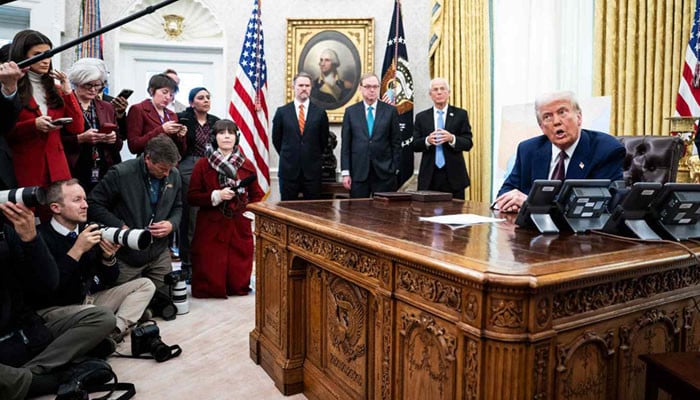
According to the report, Mexico, Honduras, Ecuador, Nicaragua, El Salvador, Guatemala, Colombia, Cuba, and Venezuela have been identified as high-risk countries for journalists. The United States, meanwhile, has seen a decline in its ranking from fourth to eleventh position due to the Trump administration’s policies, which have been deemed detrimental to press freedom.
The report notes that while the US Constitution guarantees press freedom, the government’s actions, such as the Trump administration’s media attacks and the closure of Voice of America, have weakened the country’s press freedom landscape. The report highlights a significant increase in attacks on journalists in the US, with 170 cases recorded in 2024.
The IAPA has also expressed concerns over the deteriorating press freedom situation in other countries, including Venezuela and Nicaragua, which have been labeled as “countries without freedom of expression.” In Venezuela, more than 400 radio stations have been shut down, and 25 journalists have been arrested since the 2024 presidential elections.
The report warns that the global press freedom situation is precarious, with many countries facing challenges related to the COVID-19 pandemic, economic instability, and conflict. The IAPA has called on governments to respect press freedom and ensure the safety of journalists.
Meanwhile, the US-Iran conflict has escalated, with Iran launching over 3,133 attacks on Gulf countries, including 783 missile attacks and 2,350 drone attacks. The US has responded with a show of force, with President Donald Trump announcing a new refinery in Texas aimed at strengthening the US economy and national security.
The conflict has sparked widespread concern globally, with the IAPA expressing fears over the potential impact on press freedom and regional stability. The organization has called on governments to exercise restraint and prioritize the safety of journalists and civilians.
In related news, the National Database and Registration Authority (NADRA) has launched a campaign to ensure the accuracy and integrity of the national identity system. This move comes as the country’s press freedom situation continues to deteriorate.
In other news, the Spanish government has withdrawn its ambassador to Israel, Tel Aviv, amid tensions between the two countries. The move is seen as a significant development in the region, where press freedom and regional stability are increasingly under threat.
The IAPA has also expressed concerns over the impact of the COVID-19 pandemic on press freedom, with many countries experiencing a decline in press freedom due to the pandemic. The organization has called on governments to prioritize the safety of journalists and ensure the continued flow of information to the public.
In a separate development, Pakistan’s cricket team captain, Shahid Afridi, has expressed his concerns over the team’s performance, stating that a target of 270-280 runs would be a good score on this wicket. The team has been facing challenges in recent matches, with many fans expressing disappointment over their performance.
The IAPA’s report highlights the need for governments to prioritize press freedom and ensure the safety of journalists. The organization has called on governments to respect press freedom and refrain from actions that undermine the rights of journalists and the public.
The report also notes that the US-Iran conflict has created a challenging environment for journalists, with many facing intimidation, harassment, and even violence. The IAPA has expressed its concerns over the potential impact of the conflict on press freedom and regional stability.
In conclusion, the IAPA’s report highlights the need for governments to prioritize press freedom and ensure the safety of journalists. The report notes that the global press freedom situation is precarious, with many countries facing challenges related to the COVID-19 pandemic, economic instability, and conflict.
Title: Iran War Escalates Amid Global Press Freedom Concerns
