

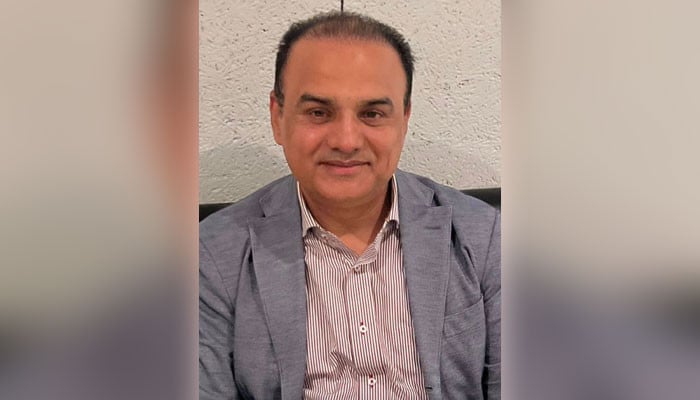
Pakistan’s electric vehicle industry is on the cusp of a significant breakthrough, thanks to a commitment from Japan’s renowned business tycoon, Malik Saleem. In an exclusive interview with Jang, Malik Saleem expressed his willingness to establish a full-fledged manufacturing factory for electric bikes and buses in Pakistan, provided the government provides a clear commitment and a buy-back guarantee.
For the past decade, the company has been manufacturing electric vehicles, buses, cars, and heavy vehicles in China, which have been successfully sold in several Latin American countries, including Chile and Peru. According to Malik Saleem, if the government assures a buy-back guarantee for 1,000 electric buses on an initial basis or commits to a buy-back model, he can transfer his current factory to Pakistan.
Pakistan’s economy is in dire need of a real manufacturing industry, especially the auto sector, where most factories are limited to assembly only, resulting in minimal job creation and technology transfer. The reliance on assembly has led to heavy import duties and imports, pushing the country to transfer its resources abroad. However, if local manufacturing is initiated, it will not only lead to a significant reduction in the prices of cars and buses but also create thousands of job opportunities.
Malik Saleem stated that his company, along with its Chinese and Japanese partners, has the capability to invest up to $1 billion in Pakistan, but this requires the government’s serious support, policy support, and a buy-back commitment. The electric transport sector is not only an economic opportunity but also an environmental one, as it will help reduce the country’s reliance on imported fuel and decrease urban pollution.
Meanwhile, in Bangladesh, the outcome of the recent national election is a significant example of the impact of reforms. In the first results, 62% of voters supported the reforms. In Saudi Arabia, new ministers, including the public prosecutor, have been appointed, while several ministers have been dismissed. The United Arab Emirates has banned soft drinks, chocolates, and potato chips in schools, warning citizens to be cautious of fake job advertisements.
In Iran, the Supreme National Security Council Secretary-General Ali Larijani announced that the country is in consultations to determine the schedule for the next round of indirect nuclear talks with the United States. Dubai Airport has installed new security scanners to check passengers.
The new Apple iPhone 18 series has been leaked, and the aircraft that was to bring it to the public has been diverted to Mogadishu, Somalia, in an attempt to curb vote buying and selling in Bangladesh’s general elections.
In a bold statement, Iran has made it clear that it will not compromise on its ballistic missile program, regardless of the pressure from the United States or negotiations. In a separate incident, a young man in India killed his parents in a domestic dispute in Bengaluru.
In other news, ICC has imposed a fine on Mohammad Nabi for violating the Code of Conduct. In Bangladesh, the 13th parliamentary election is underway, with the outcome still pending.
In the United Arab Emirates, schools have banned soft drinks, chocolates, and potato chips. Saudi Arabia has announced new appointments and dismissals of ministers. In a shocking case, Indian singer Aditya Narayan is facing new allegations in a one-year-old case, in which his first wife accused him of removing her womb without her consent.
