

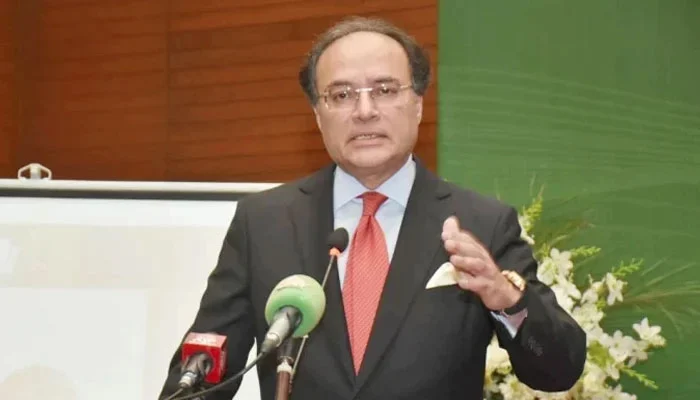
In a bold move signaling a critical phase of economic restructuring, Federal Finance Minister Muhammad Aurangzeb announced that the government has decided to privatize 24 state-owned enterprises (SOEs). Speaking at the Future Summit in Karachi, the Minister stressed the urgency of shedding loss-making assets to steer the nation toward sustainable growth, emphasizing that the role of the private sector in the economy is paramount.
Aurangzeb confirmed that the privatization of Pakistan International Airlines (PIA) is targeted for completion before the close of the current year. While this decision marks a significant milestone in policy, it is simultaneously a poignant moment for the thousands of employees whose livelihoods are connected to these institutions. The government, however, frames this as an essential sacrifice for national financial stability.
Global Validation and Sustainable Growth
The Finance Minister conveyed confidence in the current trajectory of the national economy, asserting that Pakistan is moving in the right direction. He highlighted that global recognition of Pakistan’s macroeconomic stability is growing, citing positive assessments from international rating agencies. According to Aurangzeb, the only viable path to long-term prosperity is through production-led economic development.
He pointed to a 9% increase in corporate profits within Pakistan, underscoring the resilience of the private sector. The government, he stated, is committed to leveraging recent diplomatic and international successes by consistently providing a robust economic ecosystem.
The Digital Leap and Tax Reforms
Aurangzeb identified digitalization as a crucial tool for enhancing transparency in the national economy. The government’s strategic focus, he informed, will be on the IT and Maritime (Blue Economy) sectors to boost exports and transform Pakistan into an Export Hub. He mentioned Google’s intent to help position Pakistan as a major export center.
Crucially, the Minister noted significant strides in tax reform aimed at broadening the national revenue base. The effort has successfully brought 900,000 new filers into the tax net, a success that has even attracted attention from neighboring countries, with Egypt reportedly requesting to learn from the Federal Board of Revenue’s (FBR) reform process.
Concluding his address, the Finance Minister emphasized the necessity of cultivating an ecosystem for Artificial Intelligence (AI)-based development and seizing the vast potential presented by the Blue Economy for fostering holistic growth.
