

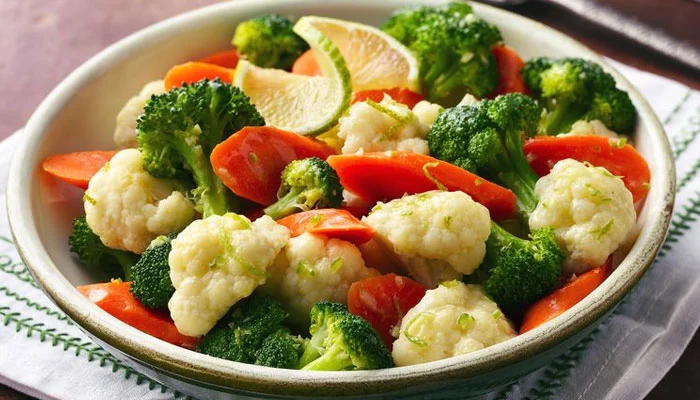
For anyone trying to eat healthier, a common question arises: is it better to boil vegetables or to steam them? It seems like a small decision, but this choice significantly impacts your food’s taste, color, and, most importantly, its nutritional value.
According to nutrition experts, steaming is the clear winner. When you steam vegetables, they cook in the hot vapor without touching the boiling water. This gentle process helps them keep their natural flavor, crisp texture, and bright color.
Most importantly, steaming preserves the delicate, water-soluble nutrients, such as Vitamin C and B-complex vitamins, which are easily lost during boiling.
Boiling, while a traditional and easy method, can be harmful to nutrition. When vegetables are boiled for too long, their essential vitamins and minerals leach out into the cooking water. If that water is poured down the drain, all those valuable nutrients are lost with it. Boiling also often results in mushy, tasteless vegetables.
However, boiling is still a good method for hard, starchy vegetables like potatoes, sweet potatoes, and beets. Even in this case, experts advise never to waste the leftover water. This “vegetable broth” is full of nutrients and should be reused in soups, stews, or even to make dough.
What the Science Says
A study published in the ‘Journal of Agricultural and Food Chemistry’ confirms this. It found that steamed vegetables retained significantly more antioxidants and vitamins compared to those that were boiled.
The final verdict from experts is that steaming is the healthiest way to cook. It requires no oil and wastes minimal nutrients, making it the perfect option for diabetics, heart patients, and anyone looking to lose weight.
