

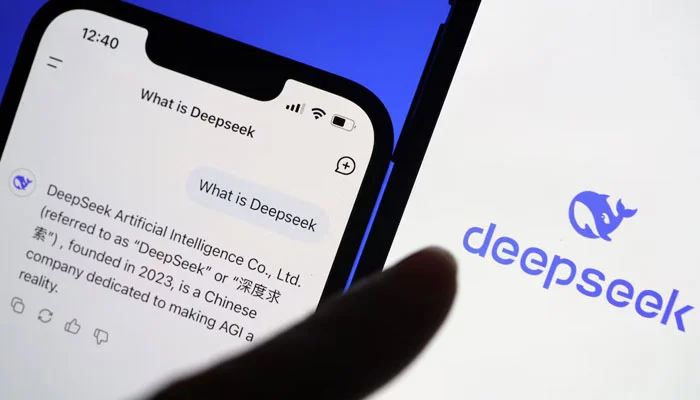
Hangzhou – Chinese AI developer DeepSeek has released its latest “experimental” model, asserting that the new iteration is significantly more efficient to train and better at processing long sequences of text than its previous large language models. The announcement underscores the global race to develop highly capable AI at a fraction of the current massive computing costs.
The Hangzhou-based company designated the model, DeepSeek-V3.2-Exp, as an “intermediate step toward our next-generation architecture,” in a post shared on the developer forum Hugging Face. That forthcoming architecture is expected to be DeepSeek’s most critical product release since its V3 and R1 models stunned both Silicon Valley and technology investors outside China earlier this year.
The new V3.2-Exp model features a mechanism called DeepSeek Sparse Attention, which the Chinese firm claims is key to cutting computing costs while simultaneously boosting certain types of model performance. Reinforcing its commitment to efficiency, DeepSeek announced in a post on X (formerly Twitter) on Monday that it is cutting its API prices by “50%+”. This drastic price reduction is a direct strategic play to attract users and enterprises to its AI ecosystem.
While the impending next-generation architecture from DeepSeek may not instantly roil markets to the same extent its predecessors did in January, a successful launch could still exert considerable pressure on domestic rivals, such as Alibaba’s Qwen, and major US counterparts, like OpenAI. To achieve this, DeepSeek will need to decisively demonstrate a high level of capability for only a fraction of what competitors currently charge and spend on model training. The firm is betting that efficiency, not just raw scale, is the future of competitive AI.
