

A new report from the World Nuclear Industry Status Report (WNISR) 2025 highlights a contrast in Pakistan’s energy sector. While nuclear energy generation reached a record high in 2024, the country’s overall energy system is struggling with high costs and inefficiencies, pushing consumers towards renewables, particularly solar.
Nuclear Energy: Growth and Cost
Pakistan’s net nuclear energy generation hit an all-time high of 21.7 terawatt-hours (TWh) in 2024, a slight increase from 21.3 TWh in 2023. This growth boosted nuclear power’s share in the commercial grid to a record 17%.
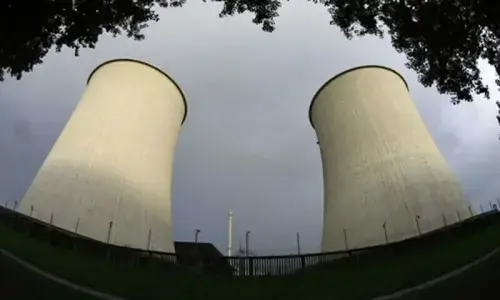
- Pakistan operates six nuclear reactors with a total capacity of 3.3 gigawatts (GW), all built with the support of the China National Nuclear Corporation (CNNC).
- CNNC has also begun construction on another 1200-MW reactor, Chashma-5, which marks the first non-Russian nuclear project to begin construction anywhere in the world in the past five years.
- The project, however, is criticized for its high cost, estimated at $4 billion, and for potentially delaying more affordable renewable energy initiatives.
Renewables vs. Nuclear: A Global Perspective
The report notes a global trend where solar energy is far outpacing nuclear power. In 2024, worldwide investment in non-hydro renewables was 21 times greater than in nuclear energy. Solar and wind power added a combined 565 GW of new capacity, which is 100 times the net nuclear capacity added during the same period.
This shift is driven by a number of factors:
- Declining Costs: Solar technology, along with power electronics and batteries, is experiencing rapid cost reductions. The cost of battery storage alone dropped by 40% in 2024.
- Decentralized Systems: These new technologies are enabling flexible, decentralized energy systems that are more competitive than traditional, centralized fossil and nuclear systems.
Pakistan’s “Systemic Tipping Point”
Pakistan is at a “systemic tipping point” in its energy sector. Between 2022 and 2023, public grid power demand fell by 10% despite economic growth. The report attributes this to a massive surge in private solar panel installations.
- In 2024 alone, Pakistan imported 22 GW of solar generation capacity, primarily for “behind-the-meter” private use. This is a significant amount when compared to the 46 GW of conventional grid capacity in 2023.
- The report notes that this rapid, and at times chaotic, shift is driven by soaring electricity prices and the unreliability of the public grid.
Despite the challenges, Pakistan’s renewable electricity capacity reached 15.2 GW in 2024. While hydropower remains the largest contributor at 11.5 GW, solar energy is the fastest-growing source, with capacity increasing to 1.4 GW at the end of 2024.
