

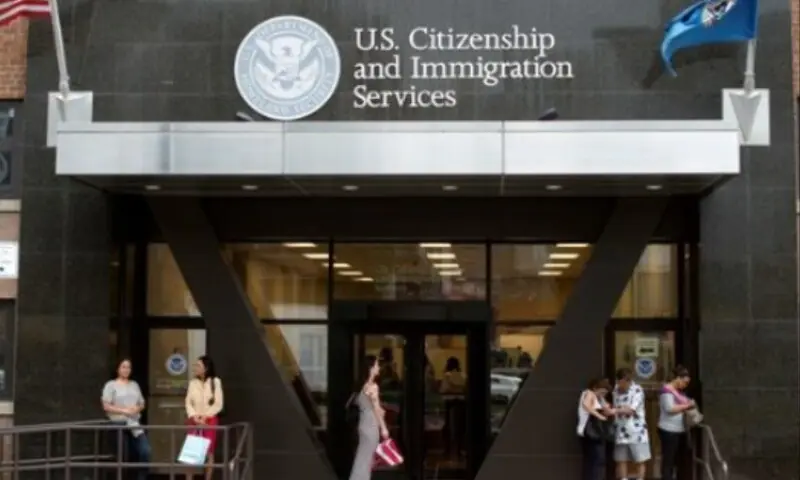
The new $100,000 fee for H-1B visas, announced by US President Donald Trump, has sent shockwaves through the tech industry, leaving companies scrambling to understand the implications. Hasty clarifications from the White House that this would be a one-time charge rather than an annual fee added to the uncertainty. The change has particularly rattled students like Kashyap, a 21-year-old from Bengaluru, India, who had dreamed of attending a top American university like Stanford.
Kashyap told AFP that with the previous, lower fee, it was “easier to convert the student visa to an H-1B,” but now his “main dream is derailed.” H-1B visas allow companies to sponsor foreign workers with specialized skills, and the US awards 85,000 such visas annually via a lottery system, with Indian nationals receiving about three-quarters of them.
Following the announcement, several leading companies advised their H-1B visa-holding employees to avoid international travel, fearing they might not be allowed to re-enter the country. Data from the US Department of Homeland Security showed there were 422,335 Indian students in the US in 2024, an 11.8% increase from the previous year.
Nasscom, India’s IT industry association, expressed concern over the new measures, stating they would disrupt “business continuity” and highlighting the significant contributions of Indian IT firms to the US economy. Shashwath VS, a chemical engineering student in Bengaluru, said the new fee is too high for companies to consider sponsoring a foreign candidate. He plans to explore opportunities in other countries like Germany, the Netherlands, and the United Kingdom, noting that the US would also be hit by losing skilled Indian talent who “contribute significantly to the American economy.”
This new visa rule is the latest move in a major immigration crackdown by the Trump administration. Silicon Valley companies and India’s vast outsourcing industry have long relied on Indian workers through the H-1B program. Sahil, a 37-year-old senior manager who lived in the US on an H-1B visa for nearly seven years, said that “every second or third person in the IT sector dreams of settling in the US or visiting to work.” He believes that “fewer Indians [will be] migrating to the US in the future” and will instead look at other countries.
