

Pakistan and Saudi Arabia have signed a landmark Strategic Mutual Defence Agreement (SMDA), formalizing a long-standing defense relationship. The pact, signed by Prime Minister Shehbaz Sharif and Saudi Crown Prince Mohammad Bin Salman in Riyadh, stipulates that any aggression against one country will be considered an attack on both.
Key Details of the Agreement
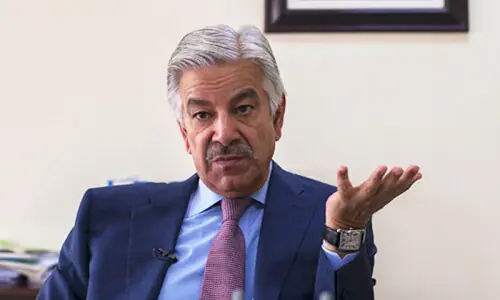
The agreement, which is a defensive arrangement similar to NATO, establishes a de facto joint defensive umbrella between the two nations. Pakistan’s Defence Minister, Khawaja Asif, confirmed that Pakistan’s military capabilities, including its nuclear assets, will be available to Saudi Arabia under the pact. However, neither country has named or conditioned the deal against a specific country. This arrangement is an extension of their decades-old military cooperation, which has included training Saudi forces and stationing Pakistani military contingents in the kingdom. Asif also stated that the agreement does not rule out the entry of other nations, particularly other Arab states.
Context and Implications
The timing of the accord is significant, coming on the heels of regional instability and an Israeli airstrike in Qatar. The agreement is seen as the most significant upgrade in Pakistan-Saudi defense ties in decades.
- For Pakistan: The pact offers strategic and economic benefits by securing vital Saudi investment and reinforcing Islamabad’s role as a key security provider in the Muslim world.
- For Saudi Arabia: It strengthens its defenses against regional threats from various actors, including those stemming from the ongoing conflict in Gaza and Israeli aggression.
- Regional Dynamics: The pact has been noted by analysts as a de facto joint defensive umbrella that could reshape the strategic architecture of the Gulf and the broader region. The agreement is also seen as a signal of a potential shift towards a more independent collective security framework in the Arab world, as trust in traditional US security guarantees wanes. India has also stated that it is carefully monitoring the implications of the pact.
Pakistan’s Stance on Afghanistan
In a separate but related matter, Defence Minister Khawaja Asif reiterated Pakistan’s position that Afghan soil is being used to stage terrorist attacks within its borders. He stated that Afghanistan is a “hostile country” and that discussions on terrorism with the Kabul government have been unproductive. This issue, a liability stemming from past wars in the region, continues to pose a significant security challenge for Pakistan.
