

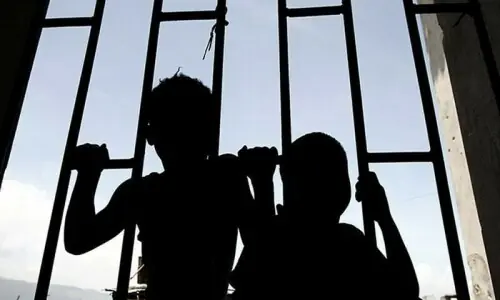
In a meeting chaired by Senator Samina Mumtaz Zehri at Parliament House, a Senate committee reviewed alarming reports of corporal punishment, torture, and sexual abuse in religious seminaries across Punjab, Sindh, and Khyber Pakhtunkhwa. Officials from federal and provincial departments briefed the committee on the steps they had taken to tackle the issue.
Senator Samina Zehri emphasized that the state’s primary responsibility is to protect children. She clarified that the goal was not to target legitimate religious institutions but to eliminate abuse through effective oversight and accountability. She expressed concern over the lack of proper registration, financial transparency, and monitoring of these institutions.
She called for strict measures, including regular inspections of seminaries, mandatory parent-teacher engagement, training for teachers on child protection, and a complete ban on corporal punishment. She also highlighted the alarmingly low conviction rates in reported cases, warning that without prosecution and deterrence, the cycle of abuse would continue unchecked.
Senator Aimal Wali Khan added that many seminaries had become revenue-generating systems instead of being integrated into the national education framework. He advocated for new legislation to ensure transparency and bring these institutions under mainstream education boards. Other committee members recommended district-level monitoring and harmonized provincial laws to better safeguard children.
The committee also examined a distressing case at COMSATS University involving derogatory remarks made against a student’s financial background and late father. The incident, which occurred during a class presentation in June, was reportedly reconciled later, with the instructor even gifting the student a laptop. Despite this, Senator Samina Zehri said the incident highlighted deeper systemic problems. She stressed that no student should face humiliation over their financial circumstances, which can cause lasting psychological harm. She called on universities to promote compassion and respect and urged training for teachers and students in effective communication, tolerance, and mental health awareness.
The meeting further addressed the plight of Pakistani citizens imprisoned abroad. Briefings from the ministries of foreign affairs and interior revealed ongoing consular efforts but also admitted to challenges such as a lack of prisoner transfer agreements, limited resources, and gaps in documentation. Senator Samina Zehri pressed for stronger action, demanding country-specific data, systematic tracking of cases, and transparent reporting. She urged the ministries to develop a coordinated national strategy with clear timelines for providing legal aid, consular support, and rehabilitation for returnees. A detailed action plan is to be presented at the next session.
