

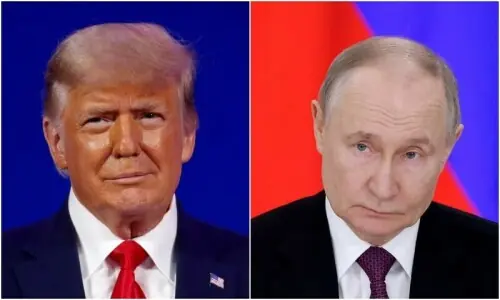
President Donald Trump stated in a social media post that he is ready to impose major sanctions on Russia, but only when all NATO nations have agreed to and begun doing the same thing, and when they all stop buying oil from Russia.
Efforts to Sanction Russia and Criticism of President Trump
In recent weeks, the United States has intensified pressure on NATO countries to tighten energy sanctions on Russia in an effort to help end its war with Ukraine. President Trump has faced difficulties in bringing the conflict to a close, despite repeated threats of harsher penalties on Moscow and its partners.
President Trump has also faced criticism at home for repeatedly setting two-week deadlines for Russia to de-escalate and allowing them to pass without concrete action. An August Reuters/Ipsos poll found that 54% of Americans, including one in five of Trump’s Republicans, believe the president is too closely aligned with Russia.
International Response and Economic Risks
In a call on Friday, finance ministers from the G7 nations discussed further sanctions on Russia and possible tariffs on countries they consider to be “enabling” its war in Ukraine. Energy revenues are the Kremlin’s single most important source of cash to finance the war effort, making oil and gas exports a central target of Western sanctions. However, officials and analysts warn that aggressive curbs on Russian crude oil also carry the risk of driving up global oil prices, a prospect that could strain Western economies and weaken public support for these measures.
