

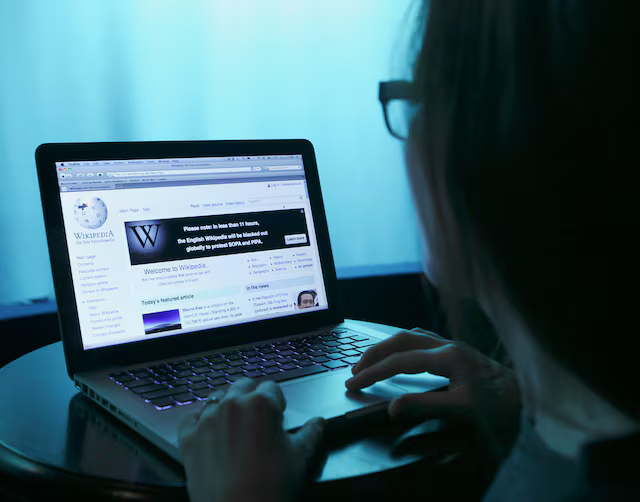
On Friday, the operator of Wikipedia announced it will not appeal its legal defeat from last month regarding Britain’s Online Safety Act. This new law establishes stringent requirements for platforms and has been criticized for potentially restricting free speech.
The U.S. government has been critical of Britain’s new law, as well as a similar policy in the European Union. U.S. President Donald Trump may bring up his concerns about free speech during his state visit next week.
The Wikimedia Foundation filed a case in London’s High Court over regulations under the law. It argued that the rules could impose the most demanding category of duties on the online encyclopedia, which is written and maintained by volunteers.
The Foundation stated that if it were subjected to Category 1 duties—designed for the riskiest websites and requiring the identities of Wikipedia’s contributors to be verified—it would have to drastically reduce the number of British users who could access the site.
In dismissing the case, Judge Jeremy Johnson said he was not giving the regulator Ofcom and the government a “green light” to implement a regime that would significantly impede Wikipedia’s operations. However, he noted that if Ofcom decides that Wikipedia is not a Category 1 service, then no further issue would arise.
Ofcom is currently in the process of deciding Category 1 designations.
The Foundation stated, “The Foundation will continue to monitor how the court’s guidance is followed, and Wikipedia is protected as the OSA moves forward.”
Wikimedia Foundation’s lead counsel, Phil Bradley-Schmieg, said Judge Johnson had placed the responsibility on Ofcom and the UK government.
In an interview, he said the judgment indicated that Ofcom should adopt a flexible and proportionate approach to interpreting the rules.
However, he added, “There is a very real risk of Category 1 status being imposed based on the rules as they stand.”
He concluded, “The lasting solution is probably taking a good honest look at whether those rules fit the bill.”
