

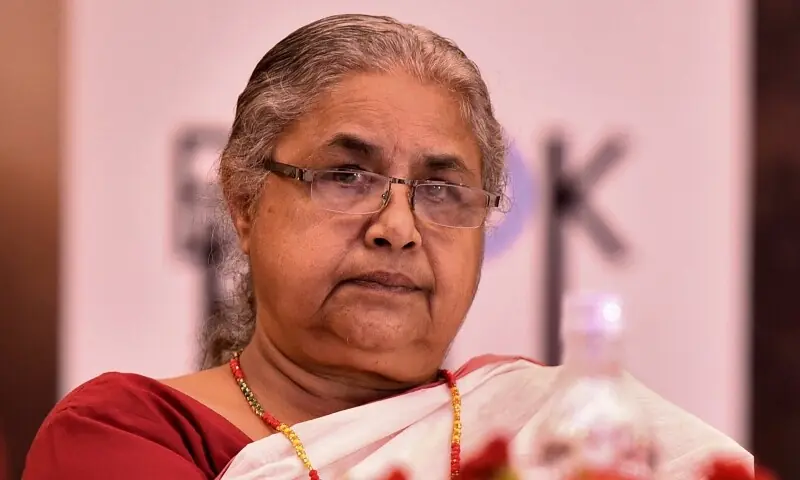
Soldiers guarded Nepal’s parliament and patrolled deserted streets in the capital, Kathmandu, on Wednesday, as the city remained under a curfew. The action followed two days of deadly anti-corruption protests that forced Prime Minister K.P. Sharma Oli to resign. Amid the chaos, the country’s former chief justice, Sushila Karki, claimed she had “accepted Gen Z protesters’ request to lead interim government.”
The unrest in the poor Himalayan nation was sparked by a social media ban announced last week. Although the ban was later rescinded, it came after 19 people were killed on Monday as police used tear gas and rubber bullets to control the crowds. By Wednesday, the death toll from the protests had risen to 25, with 633 injured, according to Nepal’s health ministry.
The Nepali army stated that relevant parties were coordinating to address the situation and resolve the issue. Media reports also indicated that preparations were being made for talks between authorities and protesters.
The majority of protesters were young people expressing frustration at the government’s perceived failure to combat corruption and create economic opportunities, which led to the demonstrations being dubbed the “Gen Z protests.”
Raman Kumar Karna, the secretary of the Supreme Court Bar Association, who was consulted by the protesters, said the young activists want former chief justice Karki to serve as the interim prime minister. “When they requested me, I accepted,” Karki told an Indian news channel. “Gen Z” representatives later informed reporters that they met with army officials and proposed Karki as their choice to head a transitional government.
Ministers’ Homes Set Ablaze
The area around the parliament was littered with burnt-out vehicles and twisted metal. Army firefighters worked to extinguish a large blaze in the main hall, while the building’s exterior was charred after it was set on fire by protesters on Tuesday.
TV footage showed young people cleaning up some damaged buildings and clearing debris from roads. Several other government buildings, from the Supreme Court to ministers’ homes, including Oli’s private residence, were also set ablaze during the protests. The unrest only began to subside after the prime minister’s resignation.
With shops and markets closed, the streets were largely deserted, with armored vehicles on patrol. Army spokesman Raja Ram Basnet said firefighters were working at various locations and road-clearing operations were underway. “We are trying to normalize the situation first. We are committed to protecting the life and property of people,” Basnet said, adding that prisoners had set Kathmandu’s Dilli Bazar Jail on fire before the army brought it under control.
Nepali police reported that over 13,500 prisoners escaped from jails across the country during this week’s anti-government protests. Kathmandu’s main airport also reopened on Wednesday, more than 24 hours after flights were suspended.
Army Warns of ‘Strict Action’
In a post on X, the army announced that prohibitory orders enforcing a curfew would remain in effect until Thursday morning. “Any demonstrations, vandalism, looting, arson, and attacks on individuals and property in the name of protest will be considered punishable crimes, and strict action will be taken by security personnel,” the post warned.
For years, a lack of jobs has driven millions of Nepalis to seek work abroad in countries such as Malaysia, the Middle East, and South Korea, primarily on construction sites, to send money back home.
