

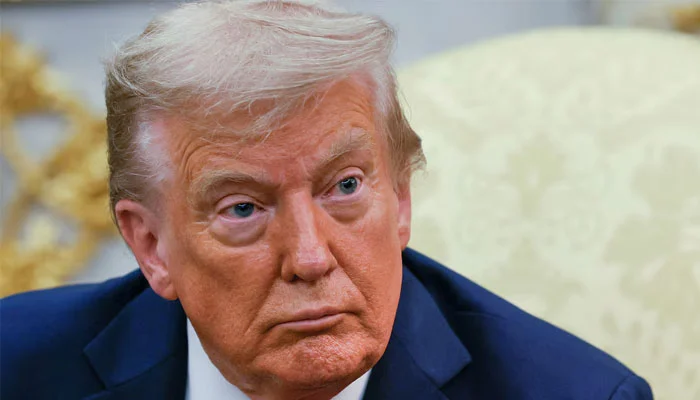
US President Donald Trump announced on Saturday that he plans to issue an executive order to require voter identification for every ballot cast, stating there would be “no exceptions.” He also said the order would restrict mail-in voting, allowing it only for the “very ill, and the far away military.” This move is part of his ongoing effort to overhaul the US electoral system, which he has long claimed, without evidence, is compromised by widespread fraud.
Key Provisions of the Proposed Order:
- Voter ID Mandate: Every voter would be required to show identification to cast a ballot.
- Limited Mail-In Voting: The practice would be restricted to specific groups, such as the severely ill and military personnel stationed overseas.
- End to Electronic Voting: The president has renewed his call to replace electronic voting machines with paper ballots and hand-counting, a method that election officials say is slower, more expensive, and less accurate.
Constitutional and Legal Challenges
The announcement has sparked immediate debate over the president’s authority. In the US, federal elections are administered at the state level, and the Constitution gives state legislatures the primary power to set the “Times, Places, and Manner” of elections. Congress has the authority to “make or alter” these regulations, but legal experts say the president does not have the constitutional power to unilaterally enact such sweeping changes through an executive order.
Previous attempts by President Trump to change election rules via executive orders have been challenged in court. For example, a March 2025 executive order that directed the Election Assistance Commission to require proof of citizenship for voter registration was sued by 19 states and has since been blocked by courts as unconstitutional. Legal experts believe any new directive on voter ID would face similar immediate legal challenges, as courts have affirmed that the power to regulate federal elections rests with the states and Congress, not the president.
The proposed executive order is likely to create confusion and legal uncertainty for state and local election officials as they prepare for the November 3, 2026, midterms. These elections will be the first major nationwide test of President Trump’s domestic policies since he took office in January. Democrats aim to take control of both the House and the Senate to block his agenda, while Republicans are seeking to expand their majority.
