

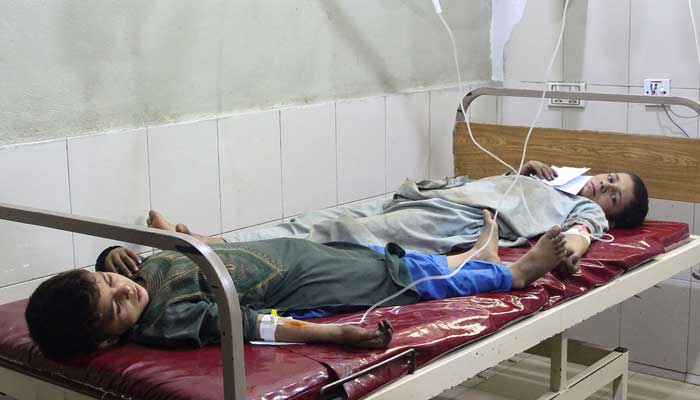
A powerful 6.0 magnitude earthquake struck eastern Afghanistan late Sunday, resulting in the deaths of at least 622 people and injuring more than 1,500. The disaster has further strained the resources of a country already facing significant humanitarian challenges.
Initial reports from Afghanistan’s state-run broadcaster, RTA, put the death toll at around 500, but the Taliban-run Interior Ministry later confirmed the higher number of casualties. The quake’s shallow depth of just 10 kilometers (about 6 miles) contributed to the widespread destruction, with entire villages in provinces like Kunar flattened by the tremors. Homes made of mud and stone were reduced to rubble, and landslides have blocked key access roads, severely hindering rescue and relief efforts.
A Country on the Brink
The earthquake comes at a time when Afghanistan is already in the midst of a severe humanitarian crisis. The country has been struggling with a sharp decrease in international aid and the forced return of its citizens from neighboring nations.
The UN has stated that Afghanistan faces one of the world’s worst humanitarian crises, with millions in need of assistance. The country is grappling with chronic poverty, food insecurity, and widespread displacement, all of which are exacerbated by natural disasters.
Rescue and Recovery Efforts Underway
In the immediate aftermath, health officials in Kabul reported that rescuers are racing to reach remote hamlets. Images from Reuters Television show helicopters transporting the injured, with residents and medical teams working together to carry the wounded to ambulances.
A foreign office spokesperson noted that as of Monday, no foreign governments have officially offered support for rescue or relief work. The Taliban government has appealed to international aid organizations for urgent assistance, including medical supplies, tents, and rescue equipment.
Afghanistan is highly susceptible to earthquakes, as it is located along the collision zone of the Indian and Eurasian tectonic plates. The country’s vulnerability to natural disasters was highlighted last year when a series of earthquakes killed over 1,000 people.
