

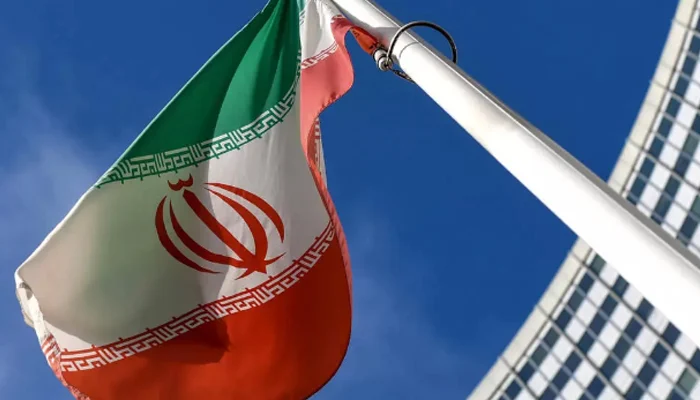
On Tuesday, Iran held talks with European powers in an effort to prevent them from reimposing sanctions under the dormant 2015 nuclear deal. Kazem Gharibabadi, Iran’s deputy foreign minister who attended the talks with Britain, France, and Germany in Geneva, posted on X (formerly Twitter) that it was “high time” for the European trio to “make the right choice and give diplomacy time and space.”
Foreign ministry spokesman Esmaeil Baqaei had earlier stated at a press conference that “our focus is on preventing actions or incidents that may be costly for the country.” Ahead of the second round of talks with European diplomats since the end of a 12-day war between Iran and Israel in June, Baqaei said that Tehran was “negotiating with all our might.”
The war, triggered by an unprecedented Israeli surprise attack, had derailed Tehran’s nuclear negotiations with the United States and led Iran to suspend its cooperation with the UN’s nuclear watchdog.
The European trio—parties to the landmark 2015 Iran nuclear deal—have threatened to activate the accord’s “snapback mechanism” by the end of August. This move would reimpose sweeping UN sanctions that were lifted under the agreement unless Iran agrees to curb its uranium enrichment and restores cooperation with International Atomic Energy Agency inspectors.
Baqaei argued that the European powers “do not have the legal and moral” grounds to trigger a snapback, telling reporters, “we will not allow this issue to become a tool of psychological warfare.” The deadline for activating the mechanism is in October, after which the UN sanctions would be permanently removed. However, according to the Financial Times, the Europeans have suggested pushing back that deadline.
Iran has rejected the Europeans’ right to extend the deadline, and Foreign Minister Abbas Araghchi recently stated that Tehran is working with its allies, China and Russia, to prevent the reimposition of sanctions.
The nuclear deal was jeopardized in 2018 when Donald Trump, during his first term as president, unilaterally withdrew the United States and imposed crippling sanctions on Iran.
Just before the recent war with Israel, Iran held five rounds of talks with the United States to try to reach a new deal on Tehran’s nuclear program. Israel’s offensive killed top commanders, nuclear scientists, and hundreds of others, striking both military facilities and residential areas. Iran responded with ballistic missile barrages targeting Israeli cities. The war also saw the United States carry out strikes against Iran’s nuclear facilities. A ceasefire between Iran and Israel has been in effect since June 24.
