

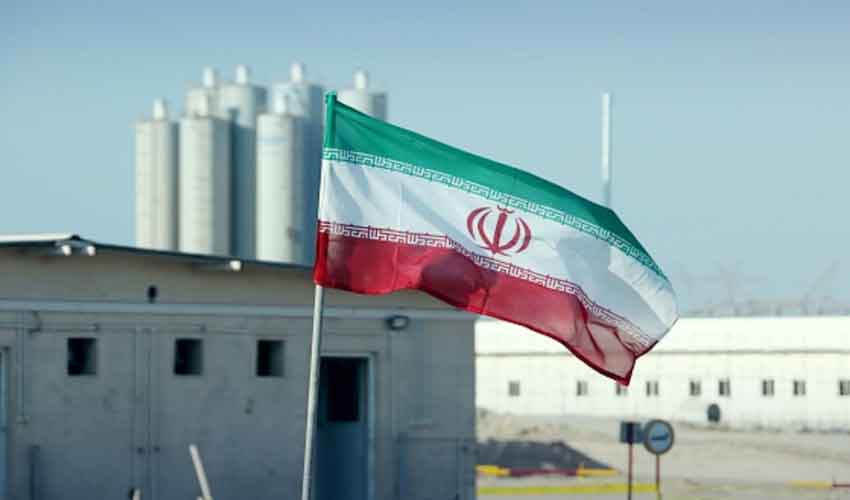
Iran will continue its discussions with the International Atomic Energy Agency (IAEA) in the coming days, but any further progress depends on the lifting of sanctions, said Foreign Ministry spokesperson Esmaeil Baghaei on Monday.
During his weekly press briefing, Baghaei reiterated that Tehran is ready to take steps to assure the world about the peaceful nature of its nuclear program. However, he made it clear this would only happen if what he called “oppressive sanctions” are removed.
“Our relationship with the Agency is direct,” he said, noting that IAEA deputies had visited Tehran last week and that Iran’s envoy in Vienna remains in constant contact with the UN watchdog.
Baghaei sharply criticized Britain, France, and Germany for suggesting they could trigger the snapback mechanism to reinstate UN sanctions. “The very act of Europe using this tool as a means of pressure against Iran is an illegal move,” he said. Baghaei argued that the three countries failed to honor their commitments under the 2015 nuclear deal and did not condemn attacks on Iranian nuclear facilities, which Tehran blames on the US and Israel.
“We never cut off negotiations with these three countries,” he added. “But they must decide whether they want to play a constructive role or align themselves with the Zionist regime.”
Concerns Over Caucasus Developments
On regional issues, Baghaei said Iran remains watchful of developments in the South Caucasus. He stressed that unblocking transport routes must not undermine internationally recognized borders or Armenia’s sovereignty.
His comments follow a US-brokered peace deal between Armenia and Azerbaijan, which includes Washington’s leasing rights to develop the new Zangezur transit route, to be renamed the “Trump Route for International Peace and Prosperity (TRIPP).”
Epstein Case Speculation Dismissed
Addressing reports linking the Jeffrey Epstein case to US-Iran negotiations, Baghaei dismissed the speculation.
“The so-called Epstein case is not limited to the United States. Many officials from different countries were implicated. We do not engage in speculation about the motives of US officials. What matters to us are their actions and Iran’s interests,” he said.
