

Iran initiated its first face-to-face talks with Western powers on Friday, following last month’s bombings by Israel and the US. As these discussions commenced, Iran immediately pushed back against proposals to extend a UN resolution that ratifies the 2015 nuclear deal.
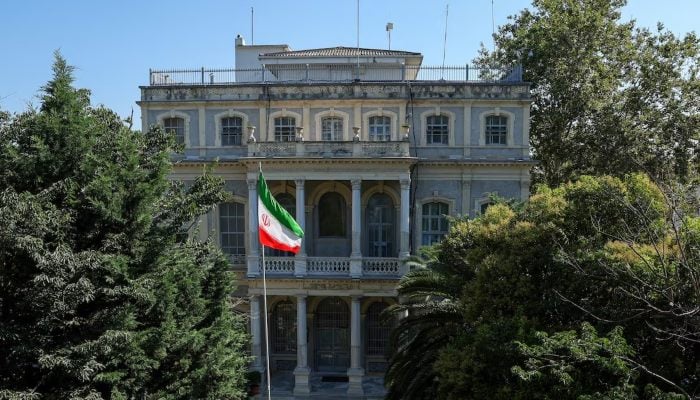
Delegations from Iran, the European Union, and the E3 group—comprising France, Britain, and Germany—convened for talks at the Iranian consulate in Istanbul.
Resolution Expiry and “Snapback” Mechanism
The European countries, alongside China and Russia, are the remaining parties to the 2015 nuclear deal. The US withdrew from this agreement in 2018, which originally lifted sanctions on Iran in exchange for restrictions on its nuclear program.
A critical deadline is rapidly approaching: on October 18, the UN resolution governing that deal will expire. At that point, all UN sanctions on Iran will be lifted unless a “snapback” mechanism is triggered at least 30 days beforehand. This mechanism would automatically re-impose those sanctions, which target sectors from hydrocarbons to banking and defense.
To allow time for this potential “snapback,” the E3 has set an end-of-August deadline to revive diplomatic efforts. Diplomats indicate their desire for Iran to take concrete steps to persuade them to extend the deadline by up to six months.
European Demands and Iran’s Stance
Iran would need to make commitments on key issues, including eventual talks with Washington, full cooperation with the International Atomic Energy Agency (IAEA), and accounting for 400 kilograms (880 pounds) of near-weapons-grade highly enriched uranium, whose whereabouts have been unknown since last month’s strikes.
Minutes before the talks began, Iranian Foreign Ministry spokesperson Esmaeil Baghaei informed the state news agency IRNA that Iran considered any talk of extending UN Security Council Resolution 2231 to be “meaningless and baseless.”
Background and Future Prospects
Before its airstrikes in June, the United States held five rounds of talks with Iran. US President Donald Trump claimed these strikes had “obliterated” a program that Washington and its ally Israel assert is aimed at acquiring a nuclear bomb. However, NBC News has cited current and former US officials who indicated that a subsequent US assessment found that while the strikes destroyed most of one of three targeted Iranian nuclear sites, the other two were not as badly damaged.
Iran continues to deny seeking a nuclear weapon. Both European and Iranian diplomats have stated that there is currently no prospect of Iran re-engaging with the US at the negotiating table.
