

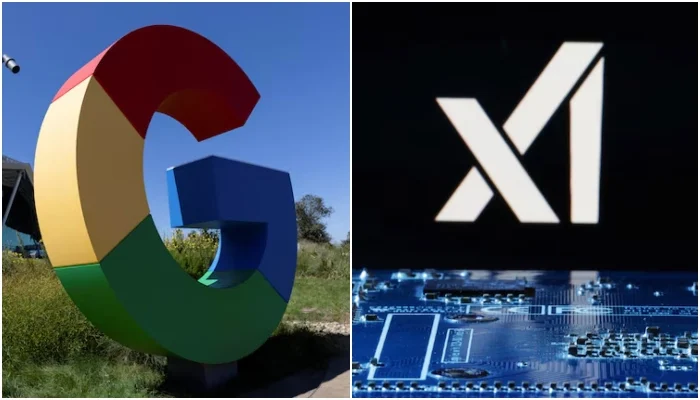
On Monday, the U.S. Department of Defense (DoD) announced a significant initiative to integrate cutting-edge artificial intelligence (AI) tools into its operations, partnering with some of the biggest names in the AI sector: Google, OpenAI, and Elon Musk’s xAI. Each of these companies has secured contracts potentially valued at up to $200 million, aiming to assist the Pentagon in addressing evolving national security challenges through advanced AI systems.
The department’s Chief Digital and Artificial Intelligence Office stated that these contracts will enable the DoD to develop agentic AI workflows and apply them to critical national security challenges. Doug Matty, Chief Digital and AI Officer, emphasized, “The adoption of AI is transforming the (DoD’s) ability to support our warfighters and maintain strategic advantage over our adversaries.”
U.S. government agencies have been expanding their use of AI, spurred by an April White House order promoting its adoption. Furthermore, President Donald Trump has moved to ease regulations on the technology by revoking a 2023 Biden-era executive order, which had sought to mitigate AI risks through mandatory data disclosures.
Separately, on Monday, xAI unveiled a new suite of products called “Grok for Government.” This offering makes its advanced AI models, including its latest flagship Grok 4, accessible to federal, local, state, and national security clients. Last month, the Pentagon had already announced a $200 million contract with OpenAI, stating that the ChatGPT developer would “develop prototype frontier AI capabilities to address critical national security challenges in both warfighting and enterprise domains.”
The contracts announced on Monday solidify the connections between leading AI companies and U.S. government operations. This move also addresses concerns about the necessity for competitive contracts for AI deployment within federal agencies. In May, Democratic Senator Elizabeth Warren had urged the DoD to ensure competitive AI contracting, particularly as Musk’s Grok chatbot was gaining traction within the federal government.
