

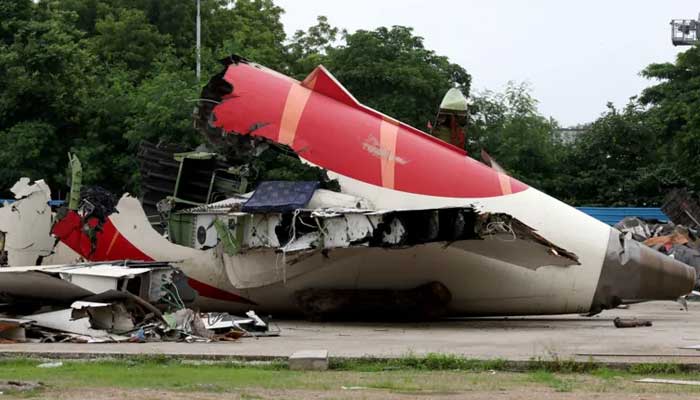
India has instructed its airlines to examine the fuel switches on various Boeing aircraft models. This directive follows last month’s crash of an Air India jet, which resulted in the deaths of 260 individuals.
A preliminary report, released on Saturday by India’s Aircraft Accident Investigation Bureau, indicated that the fuel switches had moved from the ‘run’ position to ‘cutoff’ shortly after takeoff.
The report did not offer any definitive conclusions or assign blame for the June 12 disaster. However, it did mention that one pilot questioned the other about cutting off fuel, and the second pilot denied doing so.
On Monday, India’s Directorate General of Civil Aviation (DGCA) issued an order mandating an investigation into the locking mechanism of fuel control switches on several Boeing models, including the 787s and 737s.
This order was issued despite Boeing having previously informed operators that the fuel switch locks on its jets were secure.
Nevertheless, the DGCA’s directive aligns with a Special Airworthiness Information Bulletin (SAIB) issued by the US Federal Aviation Administration. The SAIB recommended inspecting these locks to ensure they could not be inadvertently moved.
Several Indian and international airlines have already commenced their own inspections of fuel switches.
In a statement, the DGCA noted, “It has come to the notice of DGCA, that several operators — internationally as well as domestic — have initiated inspection on their aircraft fleet as per the SAIB.”
Given the SAIB, all airline operators of the affected aircraft must complete their inspections by July 21.
The Boeing 787-8 Dreamliner was en route from Ahmedabad in western India to London when it crashed. The incident claimed the lives of all but one of the 242 people on board, as well as 19 individuals on the ground.
In a letter to employees on Monday, Air India CEO Campbell Wilson stated that the investigation into the crash is ongoing and that it would be unwise to draw “premature conclusions.”
