

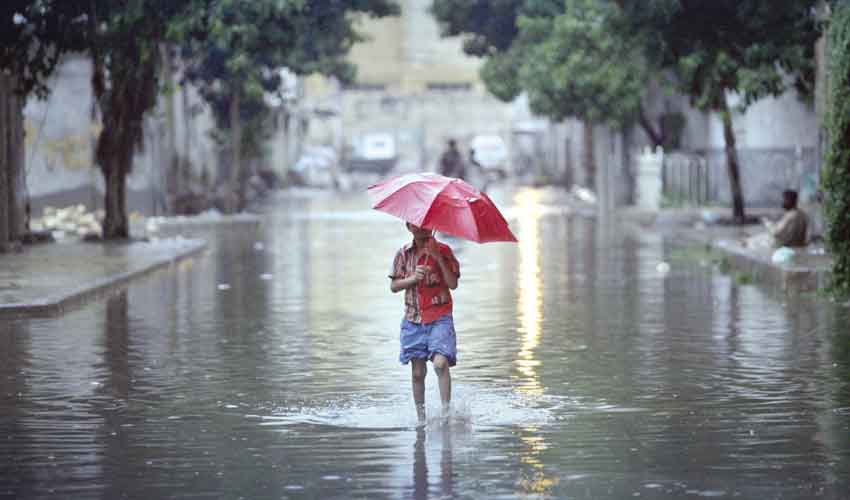
The initial spell of the monsoon season has wreaked havoc in Karachi, laying bare the vulnerabilities of the city’s power supply, drainage, and traffic management systems. Days after heavy downpours drenched the metropolis, large parts of Karachi continue to grapple with extensive power outages, submerged roads, and hours-long traffic jams.
On the third consecutive day since the rainfall commenced, over 350 K-Electric feeders remain non-functional, plunging several areas of Karachi into darkness. The utility’s struggle to manage monsoon challenges was evident as approximately 600 feeders tripped on the first day of rain, followed by 240 on the second. Despite the cessation of rain in many parts of the city, K-Electric has yet to restore numerous affected feeders, forcing residents to endure prolonged blackouts and oppressive humidity.
Rainfall Statistics
The Meteorological Department reported varying rainfall figures across the city:
- Surjani Town: 58mm
- Saadi Town: 47mm
- Gulshan-e-Hadeed & Gulshan-e-Maymar: 37mm
- Shahrah-e-Faisal / PAF Base Faisal: 31mm
- North Karachi/Airport Vicinity: 29mm
- Korangi: 25mm
- University Road: 24mm
- Nazimabad: 20mm
- Super Highway: 6mm
Flooded Roads, Stalled Traffic
The situation deteriorated further as key arteries and residential neighborhoods remained submerged in knee-deep water. Areas severely waterlogged included MA Jinnah Road, Saddar Mobile Market, and localities around Gulshan-e-Hadeed, Old City, and Defence. Water even infiltrated shops and homes in low-lying areas, compelling shopkeepers and residents to hastily protect their belongings.
Traffic congestion brought the city to a standstill, with long queues reported across major roads, including:
- Shahrah-e-Faisal
- MA Jinnah Road
- Maripur Road
- Korangi Industrial Area
- Nursery
- Karsaz
- Safoora Chowrangi
- University Road
- National Highway
- Super Highway
Ongoing construction work on University Road exacerbated the already dire traffic conditions. Citizens voiced frustrations, describing how they had to push motorcycles, and vehicles broke down in the flooded streets. Commutes that typically took minutes stretched into hours, with no visible assistance from civic bodies.
NDMA and Met Office Warn of Urban Flooding
The Meteorological Department has issued a warning of continued rainfall over the next two days, escalating fears of urban flooding in vulnerable areas. The NDMA has urged local authorities to remain on high alert, cautioning that persistent rainfall could further overwhelm already struggling drainage systems.
Meanwhile, the apparent absence of city administration during and after the rainfall has ignited public outrage, as citizens remain stranded in flooded neighborhoods and gridlocked streets.
Given the ongoing challenges, what specific measures do you think local authorities should prioritize to mitigate the impact of future monsoon spells in Karachi?
