

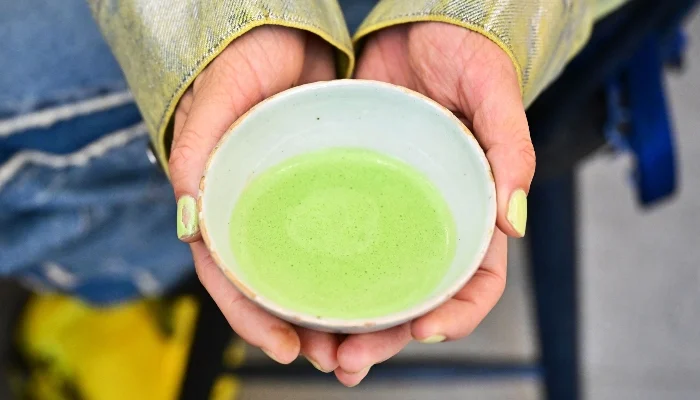
Matcha, the vibrant powdered green tea, has become the new beverage of choice at trendy cafes worldwide. However, Japanese producers are finding it challenging to keep pace with the soaring global demand. Here’s what you need to know about this drink, cherished by both weekend treat-seekers and “wellness” influencers:
What Exactly is Matcha? The word matcha means “ground tea” in Japanese. It comes in the form of a vivid green powder that is traditionally whisked with hot water, and it can also be added to milk to create a popular matcha latte. Green tea was first introduced to Japan from China in the early ninth century, initially used for medicinal purposes. Matcha, however, arrived much later, in 16th-century Kyoto, becoming an integral part of the tea ceremony tradition developed by the renowned tea master Sen no Rikyu. Today, matcha is available in different grades, ranging from “ceremonial” quality, used in traditional tea ceremonies, to “culinary” types suitable for baking.
How is Matcha Produced? Matcha is made from leaves called “tencha”, which are specifically grown in the shade during the final weeks before harvest. This shading process concentrates the flavor, color, and nutrients within the leaves. Masahiro Okutomi, a tea producer in Sayama, northwest of Tokyo, explained that this “requires the construction of a complex structure with poles and a roof to filter the light.” Tencha leaves, rich in chlorophyll and L-theanine (a compound known for its relaxing effects), are carefully hand-picked, deveined, then steamed, dried, and ground between two stone mills to produce an ultra-fine powder. This meticulous process is labor-intensive; it can take up to an hour to produce just 40 grams (1.4 ounces) of matcha, making the powder, on average, twice as expensive to produce as standard green tea leaves.
What Are Its Benefits? Many people drink matcha for its distinct, rich, grass-like taste, but others are drawn to the drink’s notable nutritional properties. It is rich in antioxidants and can aid concentration due to its caffeine content: one cup typically contains an average of 48 milligrams, slightly less than a drip coffee but nearly twice as much as a standardly brewed green tea. Shigehito Nishikida, manager of Tokyo tea shop Jugetsudo, noted, “Matcha is often seen as being good for your health.” He added, “But people are also attracted to the Japanese culture around tea: the ritual, the time taken, the aesthetics.”
Why Has Matcha Become So Popular? Japan’s matcha production has seen a significant increase, rising from 1,430 tonnes in 2012 to 4,176 tonnes in 2023. According to the agriculture ministry, more than half of this powder is exported, primarily to the United States, Southeast Asia, Europe, Australia, and the Middle East. The rise of social media platforms like TikTok, Instagram, and YouTube has played a crucial role in its popularity, with millions of videos demonstrating how to make photogenic matcha drinks or choose a traditional “chasen” bamboo whisk. “I feel like Gen Z really drove this enthusiasm for matcha, and they heavily relied on social media to do so,” Stevie Youssef, a 31-year-old marketing professional, told AFP at a matcha bar in Los Angeles. Beyond beverages, matcha can also be incorporated into cooking, broadening its appeal beyond just tea lovers. “Some customers simply enjoy drinking it, others like preparing it themselves. And of course, many buy it as a gift — Japanese matcha is always appreciated,” said Jugetsudo’s Nishikida.
