

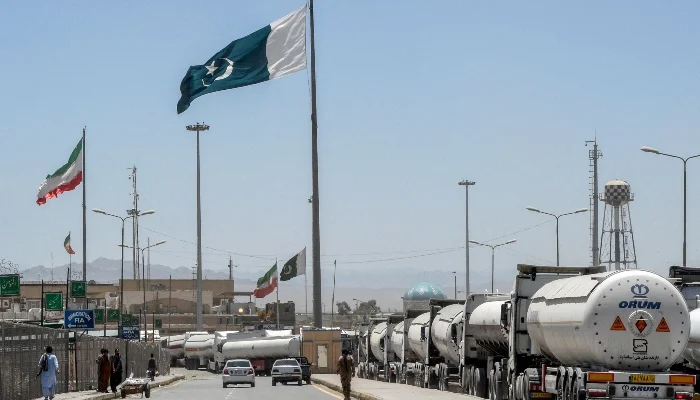
The ongoing conflict between Iran and Israel is now visibly affecting Balochistan. The border regions of Balochistan, adjacent to Iran, have historically been significant hubs for Iranian petrol smuggling. However, with the closure of Pakistan-Iran border crossing points due to the Iran-Israel conflict, this entire trade has come to a complete halt.
Iranian petrol has become scarce across the province, leading to the closure of hundreds of mini petrol pumps operating in the streets and alleys of Quetta. Consequently, rickshaw drivers and other transport owners have significantly increased their fares. Furthermore, there’s a looming threat of an LPG gas shortage, which is anticipated to cause price hikes.
Due to a severe scarcity of Iranian goods in Quetta’s markets, their prices have doubled. Prior to the Iran-Israel war, Iranian food products were widely available in Quetta. Markets and shops throughout various parts of the city commonly stocked Iranian cooking oil, ghee, biscuits, dried fruits, blankets, yogurt, buttermilk, and other items. However, the closure of the Pakistan-Iran border has not only led to shortages of these goods but also a noticeable increase in their prices.
Citizens are urging both federal and provincial governments to take immediate, effective, and comprehensive steps to ensure the availability of goods and control inflation. Provincial officials announced on Monday that Pakistan has closed all its border crossings with neighboring Iran for an indefinite period, as Israel and Iran engage in intense strikes and threaten further attacks.
“Border facilities in all five districts — Chaghi, Washuk, Panjgur, Kech, and Gwadar — have been suspended,” Qadir Bakhsh Pirkani, a senior official in Balochistan bordering Iran, told AFP. Crossing into Iran “has been suspended until further notice,” said Atta ul Munim, an official at one of the crossings in Chaghi district. However, he added that there was “no ban on trade” activities at the border, and Pakistani nationals needing to return to their country from Iran could cross. Atta stated, “We’re expecting around 200 Pakistani students coming today.”
On Sunday, Pakistani Foreign Minister Ishaq Dar confirmed that 450 Pakistani pilgrims had been evacuated from Iran, with more to follow, as well as from Iraq. Media reports have suggested Pakistan might support Tehran if the conflict were to escalate, but officials in Islamabad have reiterated that their country is only showing “moral and diplomatic solidarity.”
