

Article:
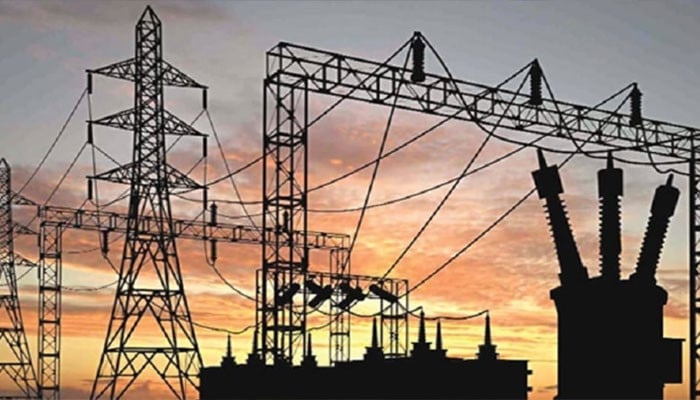
Pakistan’s power division has released details of the government’s subsidized power package, revealing that industrial and agricultural sectors have witnessed a 23% increase in power consumption from December 2025 to February 2026. According to the power division, both sectors collectively consumed an additional 2,164 gigawatts of power during this period, resulting in a total financial gain of Rs. 20,83 billion for the industry and agriculture.
Industrial consumers accounted for Rs. 19,60 billion, while agricultural sector benefited by Rs. 11,40 billion. Data suggests that the B-III category industrial consumers reaped the highest benefits, amounting to Rs. 8,76 billion, followed by B-II consumers with Rs. 5,34 billion and B-IV consumers with over Rs. 4 billion. B-I consumers managed to gain Rs. 1,48 billion in the three-month period. In terms of power consumption ratio, B-I industrial consumers topped the list with 27%, followed by B-IV with 25%, B-II with 24%, B-III with 22%, and agricultural sector with 21%.
In large industries, 52% of B-III, 48% of B-II, and 43% of B-I consumers benefited from the package, while 34% of agricultural consumers availed this facility. The power division revealed that in January, 12% and in February, 11% additional power was consumed under the package.
The government claims that this initiative has encouraged industries to rely on the national grid instead of expensive sources, resulting in improved overall performance of the energy system. On the other hand, consumers claim that one kilogram of LPG is being sold at Rs. 200 more than the official rate, with the price reaching up to Rs. 530 per kilogram in various districts.
The Pakistan Stock Exchange (PSX) closed at 150,398 points last week, down by 1,308 points from the previous week’s close of 151,706 points. Vice Chairman of the All Pakistan Petrol Pump Association, Noman Butt, expressed concerns about the increase in petroleum product prices.
The Federal Bureau of Statistics released a weekly report on inflation, while the prices of precious metals, including gold, have increased in the country’s gold markets. The hike in fuel prices has raised the prospect of increased airline fares. Chairman of the Pakistan Public Transport Owners Association said the government should reverse the recent hike in diesel prices.
According to data, exports decreased by 8% from July to March, while the State Bank of Pakistan has taken a significant step to strengthen the country’s youth financially. The gold prices in the country’s gold markets have witnessed a reverse gear, while the ongoing war in the Middle East has increased the costs of trade worldwide.
A report by The Economist has listed countries facing the most severe consequences of the oil crisis caused by the ongoing war in the Middle East. The Iranian nuclear power plant in Bushehr was targeted by American and Israeli projectiles, prompting Russia’s nuclear company to evacuate more of its staff.
The writer noted that Pakistan maintains relations with China, with American President Trump preferring Pakistani Field Marshal as a mediator, and Indian Prime Minister Narendra Modi facing a diplomatic setback. According to reports, Hamida Sulemani and her daughter were arrested after their Green Card was revoked. Iranian Revolutionary Guards claimed to have successfully targeted an Israeli plane using a drone.
General Qaani, commander of the Houthi forces, said their forces are not afraid of the Bab-el-Mandab Strait, which connects the Red Sea to the Gulf of Aden.
