

Article:
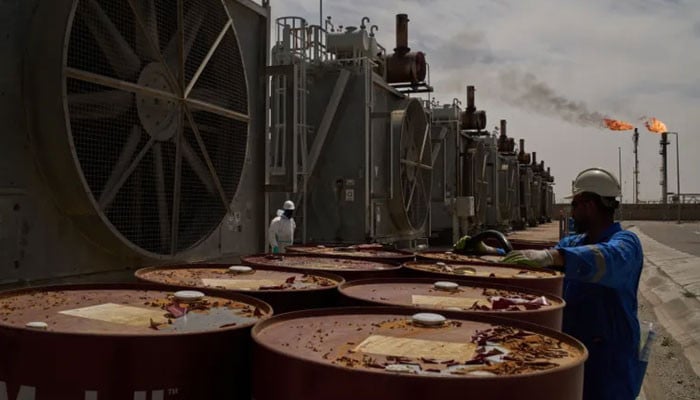
Global oil prices have surged by over 3% in the past few days, reaching a new high of $116 per barrel, according to reports from Arab media. This latest development has sparked concerns of a major energy crisis in the coming years, as the prices have risen by nearly 60% since the conflict began.
The current oil price surge is attributed to the escalating tensions between Iran and the US, which have been escalating over the past few weeks. Iran has claimed to be ready for a possible US land invasion, while the US has threatened to destroy Iran’s energy infrastructure if it fails to comply with its demands.
The situation has taken a turn for the worse with the recent attacks on Israel by Iran-backed Houthis, and Israel’s subsequent military operations in southern Lebanon. The global financial markets have also been affected, with major stock markets in Asia experiencing significant losses, including Japan’s Nikkei 225 and South Korea’s KOSPI, which both fell by over 4%.
The closure of the Strait of Hormuz by Iran has affected over 20% of the world’s oil supply, which has further exacerbated the situation. The US has given Iran a deadline of April 6 to reopen the strait, or face the consequences.
The crisis has taken a toll on the economies of several countries, including Iraq, which has been affected by the closure of its international airport due to rocket attacks. The US has also imposed sanctions on Iran, which has led to widespread protests in the country.
In a separate development, the UK has accused Russia of spying, and has ordered a British diplomat to leave the country. Russia has denied the allegations, and has stated that it needs to import oil and petroleum products due to the sanctions imposed on it.
The situation remains volatile, with the Iranian government accusing Israel of launching an attack on a desalination plant in Kuwait. The US has also denied any involvement in the conflict, and has stated that it will not use Spanish airspace to launch any military operations against Iran.
As the situation continues to unfold, it remains to be seen how the global community will respond to the crisis. The US has called on its allies to join forces against Iran, but it remains unclear whether this will happen. The crisis has also sparked concerns about the safety of oil tankers, with several ships being attacked in recent weeks.
The situation is further complicated by the fact that several countries, including India and Pakistan, have been affected by the sanctions imposed on Iran. The crisis has also had a significant impact on the global economy, with oil prices reaching record highs.
In a bid to resolve the crisis, the US has proposed a 15-point plan to end the conflict, but Iran has rejected the proposal, demanding that the US recognize its right to control the Strait of Hormuz. The situation remains tense, with both sides dug in and refusing to back down.
As the world waits with bated breath for a resolution to the crisis, it remains to be seen how the situation will unfold. The global economy is on the brink of a major crisis, and it remains to be seen how the world will respond to the challenges posed by the conflict.
