

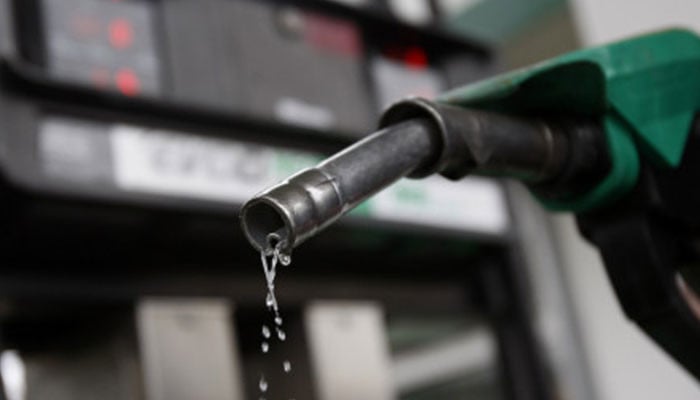
The Energy Crisis in Punjab: Government Announces Emergency Measures
In light of the global energy crisis sparked by the closure of the Strait of Hormuz, the Punjab Energy Department has submitted emergency recommendations to the provincial government. These proposals include measures to reduce fuel consumption, suspend educational activities, and limit business hours. According to sources, the federal government’s model of fuel rationing in Punjab is being considered, along with the introduction of coupons or a digital system to ensure fair distribution of petrol and diesel.
Additionally, the idea of providing fuel to limited vehicles on specific days is under consideration. The global shortage of oil and gas has been severely affected by Iran’s closure of the Strait of Hormuz, prompting several countries to tap into their strategic oil reserves to mitigate the economic crisis.
Under the energy-saving measures, educational institutions may be closed by April 15, and hybrid education systems may be implemented in schools. Private institutions may be required to adopt a work-from-home policy, with strict guidelines to be issued. Sources also indicate that a complete ban on non-essential events, limited market hours, and the use of alternative lighting systems after 10 pm are being recommended.
To conserve energy, the proposal includes the shutdown of LED billboards and decorative lights. Furthermore, increasing metro and bus services to promote public transportation and reduce overall fuel consumption is also being suggested. The provincial government is currently reviewing these recommendations and is expected to announce final decisions soon.
The Ministry of Finance has taken significant steps to mitigate the impact of rising fuel prices on the public. In a separate development, Pakistan Prime Minister Shehbaz Sharif has contacted Qatar’s Amir Sheikh Tamim bin Hamad Al Thani to express his concern about the ongoing conflict in the region.
The president of the Pakistan Petroleum Dealers Association, Jahangir Malik, has announced the postponement of a 27 March strike. The International Center for Chemical and Biological Sciences (ICCBS) at the University of Karachi has announced its largest summer internship program for 2026, open to BS, MSC, Form D, MS, and MPhil graduates, set to run from June 1 to August 31, 2026.
In other news, a court in Islamabad has acquitted a domestic worker of a charge of Rs 25 crore worth of theft. The police have arrested a wanted suspect in Karachi who had been evading law enforcement for five years. The Airport Security Force (ASF) has apprehended a suspect at Bacha Khan International Airport in Peshawar, seizing narcotics and foreign currency.
The Ministry of Religious Affairs has announced the schedule for Hajj flights. According to the Ministry, Hajj flights from Pakistan will commence on April 18. General (R) Abdul Qayyum, president of the Pakistan Ex-Servicemen Society, has said that the US and Israel are now seeking “fee-scoffing” in the Iran war, while the US’s creditability has reached zero, and Pakistan should approach the situation cautiously.
Malaysian Prime Minister Anwar Ibrahim has welcomed Pakistan’s timely and constructive offer to host the negotiations. An SSP investigation in Kemaari has revealed that the suspect lured the victim on social media and posed as a trader by showing pictures of the car and the house.
Sources indicate that the federal government has reduced its development budget by Rs 100 billion. The Supreme Court has issued a significant ruling on contempt of court proceedings. Experts have warned that shoulder pain should not be dismissed as just muscle strain, as it can also be an early sign of liver cancer.
A letter was sent to the Saudi government on March 6, but no response has been received: All Pakistan Petrol Pump Owners Association According to Iranian Press TV, the Iranian government has rejected US proposals, calling them “inappropriate.”
