

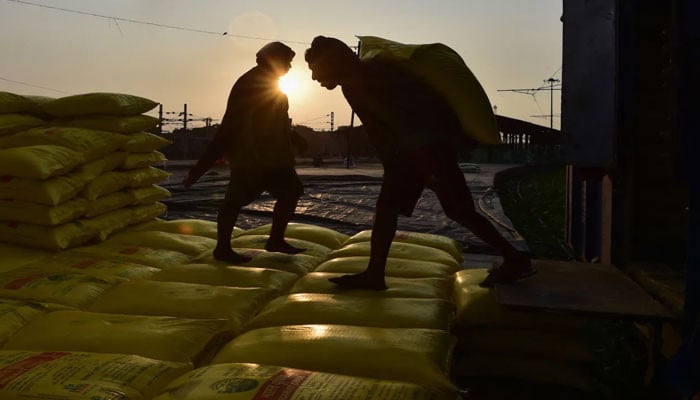
The Iran conflict has added a new layer of crisis to the global energy market, following the closure of the Strait of Hormuz. According to reports from Al Jazeera, senior advisor to the Commander-in-Chief of the Islamic Revolutionary Guard Corps (IRGC), Ibrahim Jaber, claimed on March 2 that the Strait of Hormuz had been closed, leading to a surge in global crude oil prices beyond $100 per barrel. Experts suggest that the disruption to this critical waterway is now affecting the supply chain of fertilizers, which could pose a threat to global agriculture.
Most of the world’s trade in urea, a key fertilizer, is transported through the Strait of Hormuz and originates from Gulf countries. Reports indicate that the disruption has forced several fertilizer plants in the region to either shut down or reduce production. Qatar Energy has halted production at one of the world’s largest urea plants, which will have a ripple effect on the global market.
India has reduced production at several of its fertilizer plants, Bangladesh has shut down most of its fertilizer factories, and the US is facing a shortage of about 25% of its fertilizer supply. Prices of urea have risen by around 40%, and experts predict a further increase in prices of other fertilizers.
The Gulf region supplies a significant portion of the world’s fertilizer, with India importing over 40% of its fertilizer, Brazil relying almost entirely on imports, and China, the US, Australia, and Indonesia heavily reliant on the region for their fertilizer needs. Statistics reveal that about 46% of the world’s urea trade and a significant portion of global fertilizer trade are linked to the Gulf region.
Experts warn that a shortage of fertilizers could directly impact crop yields, particularly during the planting season in the Northern Hemisphere. Without adequate fertilizers, wheat, rice, corn, and soybean crops may suffer reduced yields, potentially leading to food shortages, higher prices, and scarcity in some countries.
The conflict has significant implications for global food security, with the potential to disrupt the supply of essential nutrients to crops, leading to lower yields and reduced food production. As the global community grapples with the consequences of the Iran conflict, it is essential to prioritize diplomacy and find peaceful solutions to prevent a global food crisis.
