

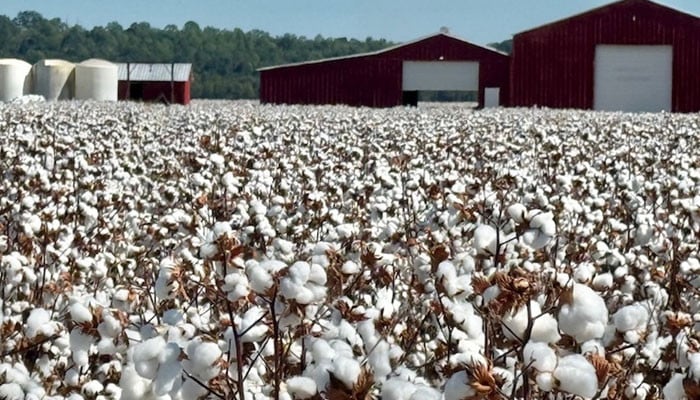
The ongoing conflict in the Middle East is having a ripple effect on Pakistan’s economy, with oil prices skyrocketing to new heights. According to a statement by the Chairman of the Karachi Chamber of Commerce and Industry (KCCI), Ishrat Hussain, the price of cotton has increased by Rs. 15,000 per maund, bringing it to Rs. 18,000 per maund. This marks a significant increase of Rs. 1,500 per maund in just 10 days, with the global market playing a major role in the surge.
Hussain attributed the rise in oil prices to the ongoing conflict in the Middle East, which has resulted in a significant disruption to oil supplies. The Strait of Hormuz, through which about 20% of the world’s oil passes, has been affected by the tensions, leading to a shortage of oil in Asian countries. The US dollar price of gold has also seen a decline, dipping to $5,000 per ounce.
The Pakistan government has taken steps to mitigate the impact of the crisis, with the Petroleum Secretary stating that the country has delayed two oil shipments and suspended LNG supplies from Qatar. The Secretary added that the ongoing tensions in the Middle East have resulted in a disruption to petroleum supplies.
The government has also taken note of the rise in cotton prices, with Chairman of the Cotton Ginners Forum, Ishrat Hussain, stating that there is a trend of increasing prices. The cotton price had closed at 1,53,866 points on the last trading day of the week, with a slight improvement seen in the Indian market.
Pakistan’s rupee has also seen a significant devaluation, with the State Bank of Pakistan releasing a statement on foreign investment. The government has taken steps to stabilize the economy, with the Finance Minister stating that the country’s current account surplus stood at $427 million in February. The rupee has continued to weaken, with the exchange rate reaching a new low.
The ongoing conflict in the Middle East has resulted in a significant disruption to global trade, with the impact being felt in Pakistan. The country’s economy is vulnerable to external shocks, and the current situation is likely to have a lasting impact on the country’s growth prospects.
In related news, the Iranian National Security Council’s chief, Ali Larijani, passed away, and Russia has sent a condolence message. The Iranian president has described the new ballistic missile as a significant challenge.
