

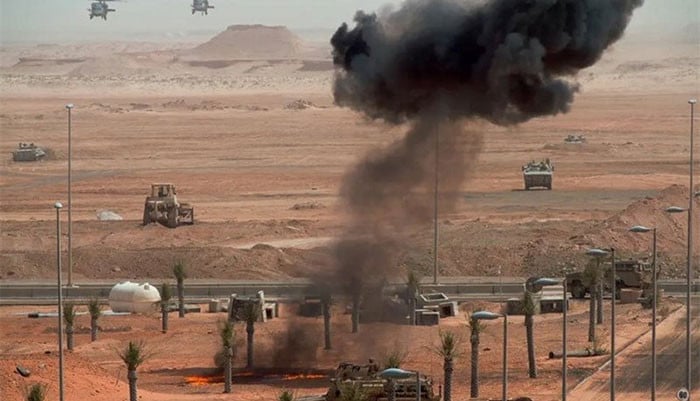
Iran appears to be altering its strategy by increasing pressure on global markets, according to a recent analysis by Al Jazeera. The country’s actions, including missile strikes and drone attacks, have raised concerns about the potential for increased conflict in the region.
The professor of Middle Eastern politics at Cambridge University, Roxanne Farmanfarmaian, suggests that Iran’s policy of attacking Gulf states may not be aimed at forcing the US to end the war but rather to change the dynamics of the region. The recent missile strikes on the Israeli city of Zerzir, which injured dozens, have demonstrated Iran’s ability to control oil prices and disrupt global supply chains.
According to Farmanfarmaian, Iran’s next target could be the oil pipelines from Saudi Arabia to the Red Sea, which would increase the pressure on global markets. The Iranian government has also stated that it will respond strongly if its energy infrastructure or military bases are targeted.
The US has confirmed that six American airmen were killed in a C-135 aircraft crash in western Iraq on Thursday. The incident has raised concerns about the safety of military operations in the region.
In a statement, British Energy Minister Ed Miliband said that the UK is working with allies to ensure the safe passage of oil tankers through the Strait of Hormuz. Bahrain’s Interior Ministry has announced the arrest of five individuals suspected of providing sensitive information to Iran’s Revolutionary Guard.
The situation remains volatile, with multiple parties involved and various interests at stake. As the world watches the developments in the Middle East, one thing is clear: the region is on the brink of a major crisis.
Key developments:
* Iran claims to have launched 10 missiles and drones at US and Saudi targets in the UAE and Saudi Arabia.
* The US is seeking help from other countries, including China, to secure the Strait of Hormuz.
* Israel denies reports that it has asked the US for help with defense missile interceptors.
* A C-135 aircraft crash in western Iraq has killed six American airmen.
* The Iranian government has vowed to respond strongly if its energy infrastructure or military bases are targeted.
* The UK is working with allies to ensure the safe passage of oil tankers through the Strait of Hormuz.
As the situation continues to unfold, one thing is clear: the world is holding its breath, waiting to see what happens next. The stakes are high, and the consequences of failure could be catastrophic.
