

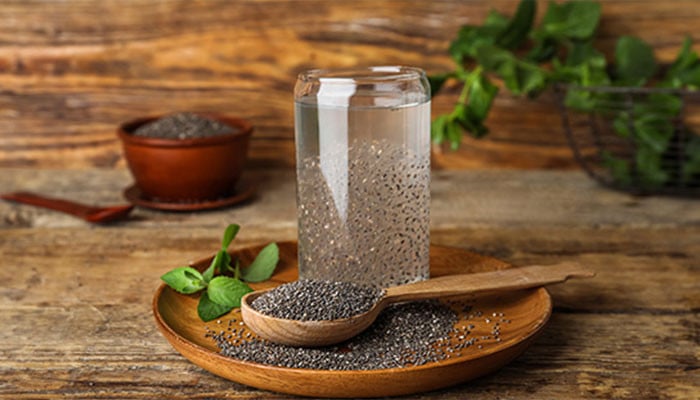
Chia seeds, often referred to as the “miracle seed,” have been touted as a superfood due to their high content of omega-3 fatty acids, fiber, protein, vitamins, and minerals. These tiny seeds have been proven to aid digestion, reduce inflammation, and help maintain weight. However, experts warn that chia seeds may not be suitable for everyone, especially those with certain health conditions.
According to a recent report, five individuals are advised to exercise caution or avoid consuming chia seeds altogether. These individuals include those with difficulty swallowing, narrow digestive tracts, and those at risk of developing conditions like colonic perforation or motility disorders.
In recent years, collagen supplements have gained popularity, touted as a solution for glowing skin, strong hair, and healthy joints. However, experts advise individuals with swallowing difficulties or narrow digestive tracts to consume these supplements with caution.
Chia seeds can expand up to eight times their original size when soaked in water, which can pose a risk of becoming lodged in the digestive tract. In addition, the high fiber content in chia seeds can cause sudden increases in bowel movements, gas, and abdominal pain in individuals with irritable bowel syndrome (IBS).
The omega-3 fatty acids in chia seeds can also cause blood to thin, which may be a concern for individuals with bleeding disorders or those taking blood-thinning medications. Furthermore, the gel-like fiber in chia seeds can exacerbate digestive issues in individuals with gastrointestinal disorders.
Despite the potential risks, experts agree that chia seeds are generally safe for most people when consumed in moderation. To reap the benefits of chia seeds, it is essential to start with a small serving size, such as one teaspoon, and gradually increase the amount to two tablespoons. However, individuals with health concerns should consult their doctor before incorporating chia seeds into their daily diet.
In related news, research has shown that taking short walks after meals can have positive effects on overall health. A new study has found that eating dinner at least three hours before bedtime can help lower blood pressure and reduce blood sugar levels, leading to improved cardiovascular health and metabolism.
Dehydration is a common issue that affects many individuals, regardless of their drinking habits. Experts recommend monitoring water intake and adjusting it accordingly to maintain optimal hydration levels.
In other health news, a new study has discovered that a simple test can predict the risk of developing dementia in women up to 25 years before symptoms appear. Additionally, a new treatment for Parkinson’s disease and heart failure has been approved in Japan, which is expected to be available to patients in the coming months.
Finally, in sports news, the International Cricket Council (ICC) has reprimanded Pakistani batsman Salman Ali Agha for breaching the code of conduct and imposed a one demerit point on him.
