

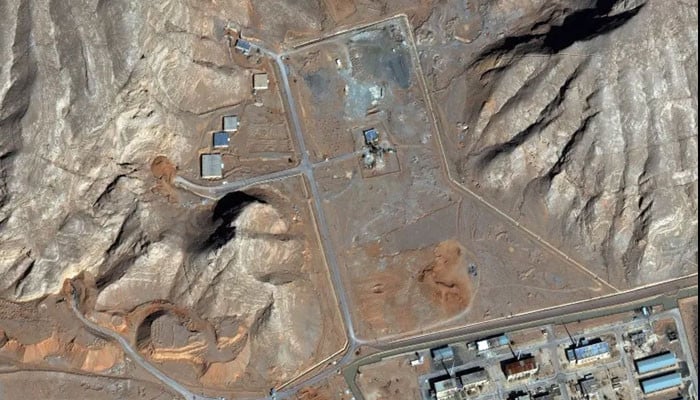
Iran has been accused by the International Atomic Energy Agency (IAEA) of storing approximately 60% enriched uranium in a secret underground complex in Isfahan, with the agency calling for immediate inspections. According to a report by Al Jazeera, Iran has continued to enrich uranium to 60%, which is just a step away from the threshold for nuclear-armed status.
The IAEA’s report expresses concern over the lack of access to the Isfahan site and demands inspections. Marko Rubio, a key figure in the Geneva negotiations, stated that Iran’s refusal to discuss its ballistic missile program was a major obstacle in the talks. He expressed hope that the negotiations with Iran would bear fruit.
It is worth noting that the United States has claimed that it destroyed three Iranian nuclear facilities, including one in Isfahan, during the 12-day conflict last year. The IAEA, however, reports that Iran was in the process of establishing a fourth enrichment site in Isfahan but has refused to allow inspectors to verify the site’s existence and operational status. Satellite images have revealed the entrance of the underground complex, where 20% to 60% enriched uranium was stored.
The IAEA’s report comes at a time when the United States and Iran are engaged in negotiations in Oman, with the third round of talks in Geneva ending without a breakthrough. The agency’s 35-member Board of Governors will convene in Vienna next week to discuss the matter, while technical talks will continue in parallel.
The report expresses concern over the uncertainty surrounding the approximately 440 kilograms of 60% enriched uranium, which has not been inspected since June 10 last year. US President Donald Trump has stated that he is not optimistic about the talks with Iran and has called for an end to any level of uranium enrichment. In contrast, Iran has claimed that it is only enriching uranium to a limited extent.
Iran has halted cooperation with the IAEA and restricted access to the affected sites following Israeli and US airstrikes. The agency, however, has been criticized for not condemning the attacks.
Iran’s Foreign Minister, Abbas Aragchi, has stated that the US must abandon its “unnecessary demands,” including calling for the destruction of Iran’s nuclear program, limiting its ballistic missile program, and ending support for its allies in the region. The US has demanded that Iran agree to these terms in exchange for lifting sanctions.
The crisis has led to increased tensions in the region, with the European Union calling for immediate talks to de-escalate the situation. The Iranian Supreme Leader, Ayatollah Ali Khamenei, has been criticized for his role in the crisis, with several Iranian opposition leaders calling for protests.
The situation has also led to concerns over the potential impact on regional security and the global economy. The United States has warned of potential cyberattacks, and the International Atomic Energy Agency has expressed concern over the lack of access to the Isfahan site.
In a separate development, the Israeli military has announced that it has struck several Iranian military targets in western Iran, including missile launchers. The Pakistani government has restricted access to the Karachai airport in response to the crisis, citing security concerns.
The situation remains volatile, with the United States and Israel warning of further military action if Iran does not comply with international demands. The Iranian government has vowed to defend its interests, and the situation remains uncertain.
